
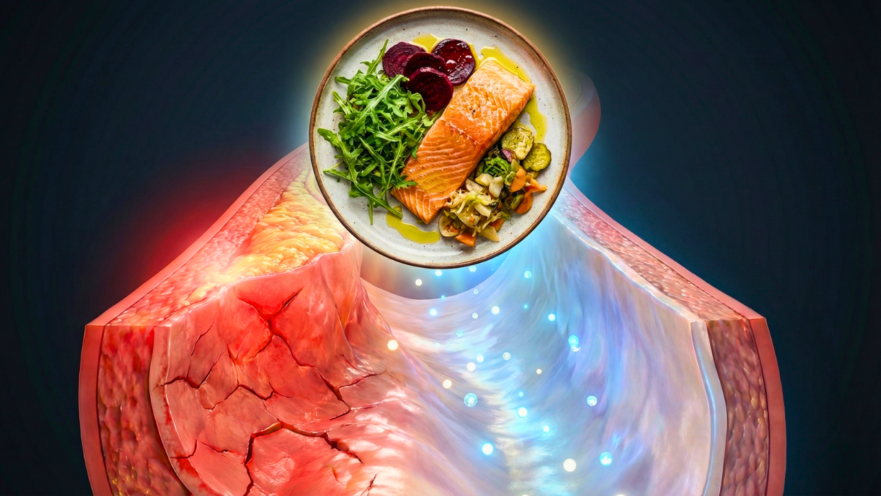
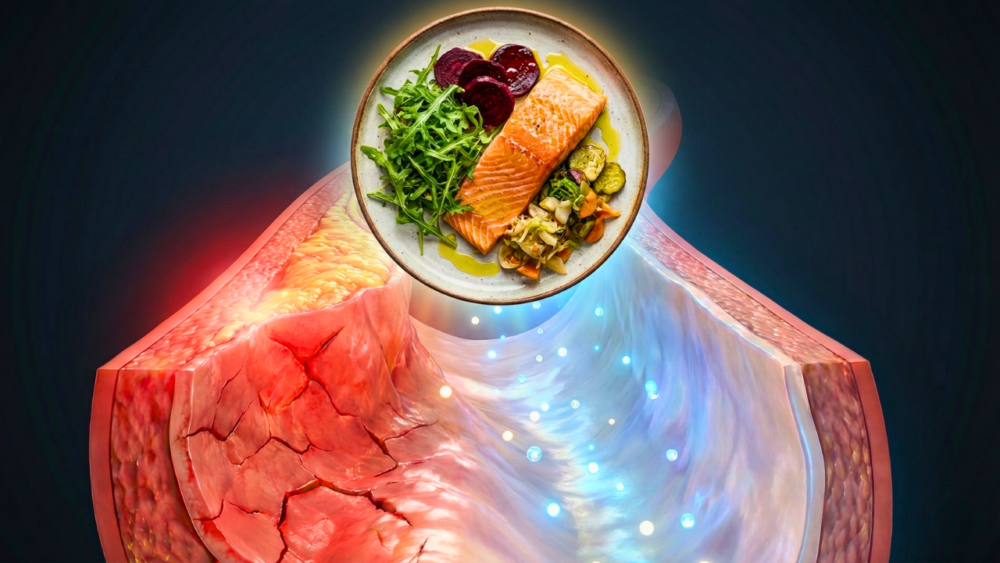
You could be doing everything right—eating clean, jogging daily, taking your prescribed statins—and still be at high risk for a heart attack. Why? Because the conventional wisdom about heart disease is dangerously flawed. Arteries don’t clog from cholesterol first. They clog from silent, unfelt inflammation.
The real danger isn’t the number on your cholesterol panel. In fact, studies show more people die from heart attacks with normal to low cholesterol than with high cholesterol. Let that sink in. The true culprit is chronic inflammation, which silently damages your arteries from the inside out. We’ve been told that cholesterol builds up in your arteries like sludge in a pipe, but your body isn’t a plumbing system. Your arteries are living, intelligent tissues. The truth is, cholesterol doesn’t just randomly stick to your arterial walls. Plaque simply doesn’t form without pre-existing damage. The single cause of heart disease is damage to your blood vessels, and that damage is caused by inflammation.(Based on the insights of metabolic health expert, Ben Azadi)
Key Takeaways
- Inflammation is the Root Cause: The primary driver of heart disease is chronic inflammation that injures the arterial walls, not high cholesterol itself.
- Cholesterol is the ‘Firefighter’: Cholesterol is dispatched to the site of arterial injury as a healing agent. Blaming it for heart disease is like blaming firefighters for a fire.
- The Artery Repair Plate: A specific combination of four foods can work together to reduce inflammation, boost arterial flexibility, and begin reversing damage.
- Beyond Diet: Simple habits, like avoiding antibacterial mouthwash and certain cooking oils, play a crucial role in supporting your cardiovascular health.
The Artery Repair Plate: 4 Foods to Heal Your Blood Vessels
So, what causes the initial damage? It’s a combination of factors: oxidized LDL particles, insulin spikes from sugary and processed foods, chronic stress, and inflammatory foods. This is why you can have “perfect” cholesterol labs and still have significant arterial blockage. A client of mine had a coronary calcium score of 498—indicating advanced arterial calcification and a 60% blockage—despite having zero symptoms and ideal cholesterol markers. He was shocked. That’s when I introduced him to what I call the “Artery Repair Plate.” This isn’t a fad diet; it’s a biology-aligned way of eating designed to calm inflammation and restore the function of your arteries. Let’s break down what’s on the plate.
1. Arugula & Beets: Your Nitric Oxide Boosters
First on your plate are nitrate-rich foods like arugula or beets. Your body converts the dietary nitrates in these foods into a crucial molecule: nitric oxide. Think of nitric oxide as WD-40 for your blood vessels. It’s the most important factor for relaxing and opening up your arteries, which improves circulation, lowers blood pressure, and restores the function of your endothelium—the delicate inner lining of your arteries.
When your endothelium is inflamed and stiff, blood pressure rises and plaque becomes unstable. Arugula and beets provide the raw materials to produce more nitric oxide, which relaxes the smooth muscles in your arteries, improves blood flow, and prevents platelets from clumping together. The best part? This isn’t a change that takes months. Human studies show improved endothelial function in as little as seven days. You’ll notice the difference quickly: warmer hands and feet, better energy, and less pressure.
How to do it right: I prefer organic, raw arugula in a salad. If you choose beets, eat them raw or lightly steamed, as overcooking can destroy the nitrates. Avoid juicing beets, which can spike your blood sugar. And here’s a critical tip: stop using antibacterial mouthwash like Listerine or Scope. These products kill the beneficial bacteria in your mouth that are essential for converting nitrates into nitric oxide, completely negating the benefits of these foods.
2. Wild-Caught Salmon: Your Plaque Stabilizer
Next up is wild-caught salmon, a powerhouse of omega-3 fatty acids. Omega-3s play a critical role in heart health by reducing arterial inflammation and, most importantly, helping to stabilize plaque so it doesn’t rupture. Most heart attacks aren’t caused by large, stable blockages but by small, inflamed, unstable plaques that break open and cause a clot.
Omega-3s from salmon directly integrate into your cell membranes and arterial walls, shifting your body from an inflammatory “attack mode” to a healing “repair mode.” They lower triglycerides (fat in your bloodstream), reduce inflammatory cytokines, and improve signaling within your blood vessels. Large human trials have repeatedly shown that omega-3 intake from fish reduces the risk of sudden cardiac events.
How to do it right: This is where many people go wrong. Avoid farmed salmon, which is often higher in pro-inflammatory omega-6 fats and has a much lower concentration of beneficial omega-3s. Also, don’t rely on fish oil supplements. Many are oxidized and can actually be pro-inflammatory. Stick to the real thing: wild-caught salmon. Aim for two to three servings per week. You can bake it, steam it, or pan-sear it in a high-quality oil like extra virgin olive oil.
3. Fermented Vegetables: Your Gut-Heart Connector
The third component of the plate is fermented vegetables. Your gut health is directly connected to your heart health. When your gut lining breaks down (a condition known as “leaky gut“), inflammatory particles called endotoxins can leak into your bloodstream. This triggers a system-wide immune response, raising arterial inflammation and blood pressure. This is why people with gut issues like bloating and indigestion often have high blood pressure and poor vascular health.
Fermented foods like sauerkraut, kimchi, and kefir help restore the microbial balance in your gut. They feed beneficial bacteria, which in turn produce short-chain fatty acids that lower systemic inflammation. Within days of adding them to your diet, they can reduce the endotoxin load in your blood, calm overactive immune cells, and lower the inflammatory signals reaching your arteries.
How to do it right: Quality matters. Buy unpasteurized, refrigerated fermented foods, as pasteurization kills the live bacteria. Avoid sugar-loaded kombuchas or yogurts. You don’t need much; just one to two tablespoons with your meal is enough to provide a powerful benefit. Eating it with your food helps buffer the introduction of new microbes and enhances digestion.
4. Extra Virgin Olive Oil: Your Oxidation Shield
Finally, we have what might be one of the most powerful heart-protective foods ever studied: high-polyphenol extra virgin olive oil. Cholesterol itself isn’t the enemy, but oxidized cholesterol is. When LDL particles are damaged by free radicals, they become inflammatory and trigger the plaque-formation process. The potent polyphenols in high-quality olive oil are antioxidants that neutralize these free radicals, preventing LDL oxidation.
Human trials have shown that daily consumption of high-polyphenol olive oil can improve arterial flexibility by 25% in just a few weeks. It directly addresses the root cause of plaque by restoring healthy signaling in your arteries, rather than just blocking a pathway like a medication.
How to do it right: Not all olive oil is created equal. Many on the shelf are fake, cut with cheap, inflammatory seed oils like soybean or canola oil. Always buy 100% extra virgin olive oil in a dark glass bottle to protect it from light, which causes oxidation. Look for “cold-pressed” on the label, and if the company lists the polyphenol count, aim for over 300. A good indicator of high polyphenol content is a peppery or burning sensation in the back of your throat. Use one to two tablespoons per day to cook your salmon or as a dressing for your arugula.
Your 3-Day Arterial Reset Plan
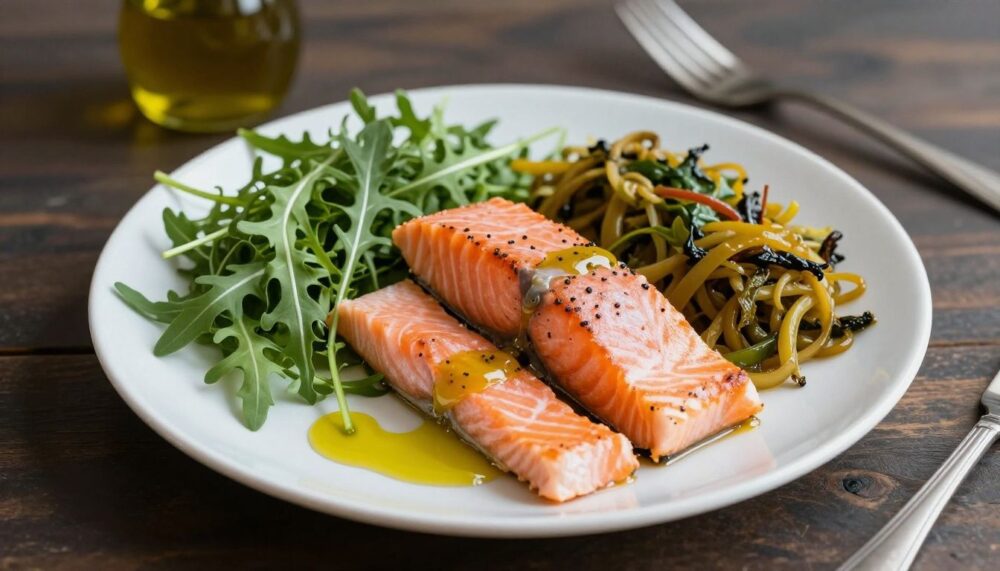
These four foods don’t just work individually; they create a repair cascade. The arugula opens the arteries, the salmon calms the inflammation, the fermented foods reduce the immune attack, and the olive oil prevents the oxidative damage. To put this into practice, here is a simple plan:
- Eat the Artery Repair Plate: Consume this meal at least three times per week, ideally as your first meal of the day or after exercise.
- Prime Your System: Before the meal, drink 8 ounces of spring water with a tablespoon of apple cider vinegar and a squeeze of fresh lemon juice to improve insulin sensitivity.
- Walk It Off: After the meal, go for a 15-minute walk. This simple activity helps lower the post-meal glucose and insulin spike, protecting your arterial lining.
Conclusion
You’ve been told to fear fat, cholesterol, and salt. But your body isn’t broken; it has just been receiving the wrong instructions from our modern diet and lifestyle. The foods on the Artery Repair Plate send a new signal—a signal of safety, repair, and resilience. You are not simply unclogging pipes; you are reprogramming your arterial biology from the ground up. The body has an incredible ability to heal itself when you remove the interference and provide the right building blocks. If you know someone who is concerned about their heart health, share this information with them. It could be life-changing.
Source: Ben Azadi