
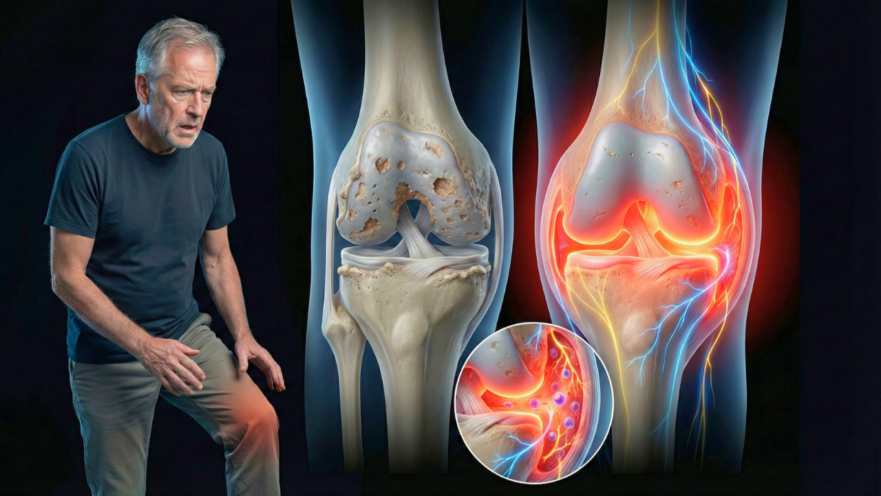
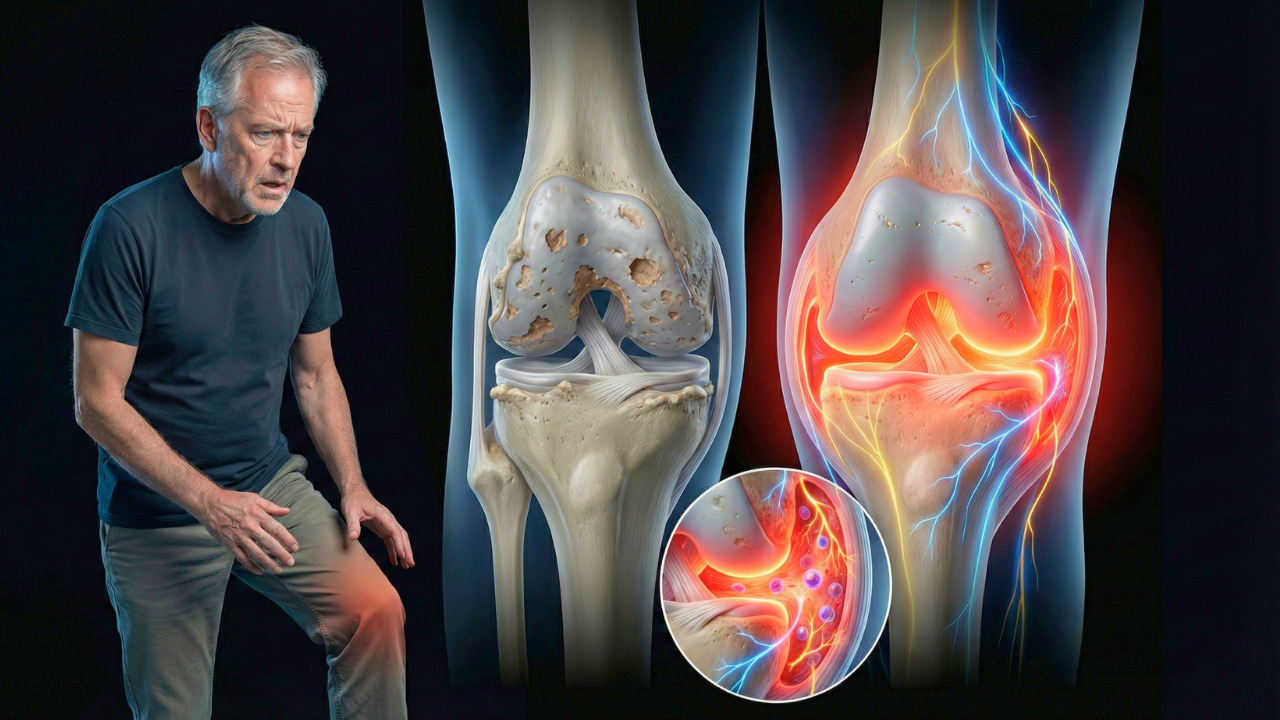
Ever left the doctor’s office feeling defeated by a diagnosis of osteoarthritis, like you were handed a life sentence with no parole? Maybe you were told, “It’s just wear and tear from age – learn to live with it,” or even worse, “Get ready for a joint replacement.” If you’re in your 40s, 50s, or 60s but feel like you’ve aged overnight, hang tight. There’s more to the story than you might think—and it’s definitely not just about getting older!
Osteoarthritis is often misunderstood as a problem of “old joints” wearing out, but in reality, it’s a metabolic, active condition—one that, believe it or not, can be slowed or even improved with the right approach. Let’s break down the misconceptions and empower you with what really matters when dealing with osteoarthritis.
Key Takeaways:
- Osteoarthritis is not just a degenerative disease; it’s activated by ongoing metabolic factors and oxidative stress.
- Pain doesn’t come from the cartilage itself, but rather from inflammation and nearby tissues.
- Lifestyle changes—like movement, nutrition, stress management, and targeted supplementation—can truly make a difference.
- Surgery and painkillers aren’t the only options: there are practical, proactive steps you can take right now.
Let’s get right into the top things you need to know about osteoarthritis!
1. Osteoarthritis Is NOT Just “Wear and Tear”
We’ve all heard it: “Your joints are wearing out because you’re getting older.” In reality, OA is much more about an ongoing, metabolically active process that involves inflammation and oxidative stress. That means it’s happening because of your body’s environment—not just a simple tally of years.
2. Pain Comes from Inflammation, Not Cartilage
Here’s a surprising fact: cartilage—the tissue that covers your joints—doesn’t have nerves, so it doesn’t actually feel pain. The pain you experience often comes from inflammation in the surrounding tissues, like the joint capsule or ligaments, not from the cartilage wearing down itself.
3. Cartilage Damage Isn’t Always as Painful as You Think
Some people have lots of cartilage damage but little or no pain; others have only minor wear and lots of pain. Why? Because it’s the inflammation, not necessarily the amount of cartilage loss, that triggers discomfort.
4. Weight Alone Isn’t the Main Culprit
Yes, excess weight adds more stress to your joints, especially in the knees and hips. But simply losing weight doesn’t always eliminate OA pain. Often, it’s about the metabolic changes happening inside your body—including inflammation sparked by excess sugars, processed foods, and stress.
5. Movement Is Essential, Not Optional
Contrary to what you might hear, avoiding all exercise is NOT the answer. Joints are nourished by movement, because cartilage doesn’t get direct blood flow—it soaks up nutrients through pressure and motion. Gentle, regular movement helps keep joints healthier and slows progression of OA.
6. Not All Collagen Supplements Help
You might see collagen supplements everywhere, but most of these powders and pills can’t be absorbed efficiently. Collagen is a large, heavy molecule that isn’t easily digested or delivered to your joints. Instead, focus on natural sources like homemade bone broth, paired with vitamin C and omega-3 fatty acids for better support.
7. What You Eat Matters—A Lot
Think it’s just about taking the right supplement? Think again. Diets high in refined carbohydrates (sugar, white flour), inflammatory fats, and processed foods contribute to the oxidative stress underlying OA. Focus on whole foods, healthy fats, and lean proteins while avoiding excess gluten, dairy casein, sugar, and alcohol.
8. Chronic Stress Damages Joints
Long-term stress boosts your body’s cortisol levels—and excess cortisol literally breaks down your joint tissues over time. Prioritizing stress management, better sleep, and even getting sunlight on your skin are crucial steps towards healthier joints.
9. Sleep Is When Your Joints Heal
Your joints don’t repair themselves during the day—they do it at night while you sleep. A solid eight hours of sleep in a dark, quiet environment is more powerful than any supplement when it comes to joint recovery and regeneration.
10. Advanced Treatments Exist—But They’re Not Magic Bullets
Beyond lifestyle and supplements, there are innovative treatments like prolotherapy, platelet-rich plasma (PRP), stem cell injections, and ozone therapy. These should be done under medical guidance and can speed up healing, but they only work best alongside lifestyle changes—not instead of them.
Conclusion
Osteoarthritis isn’t a hopeless, irreversible slide into pain and disability. You have more control than you think! Focusing on quality movement, anti-inflammatory nutrition, stress reduction, true joint support, and smart supplementation can help you take back your quality of life.
Remember: there are no magic pills. Small, consistent changes in your daily routine add up to big differences in how you feel. Instead of just reaching for painkillers or resigning yourself to surgery, empower yourself with knowledge and action. Your joints—and your future—will thank you!
Source. Javier Furman