

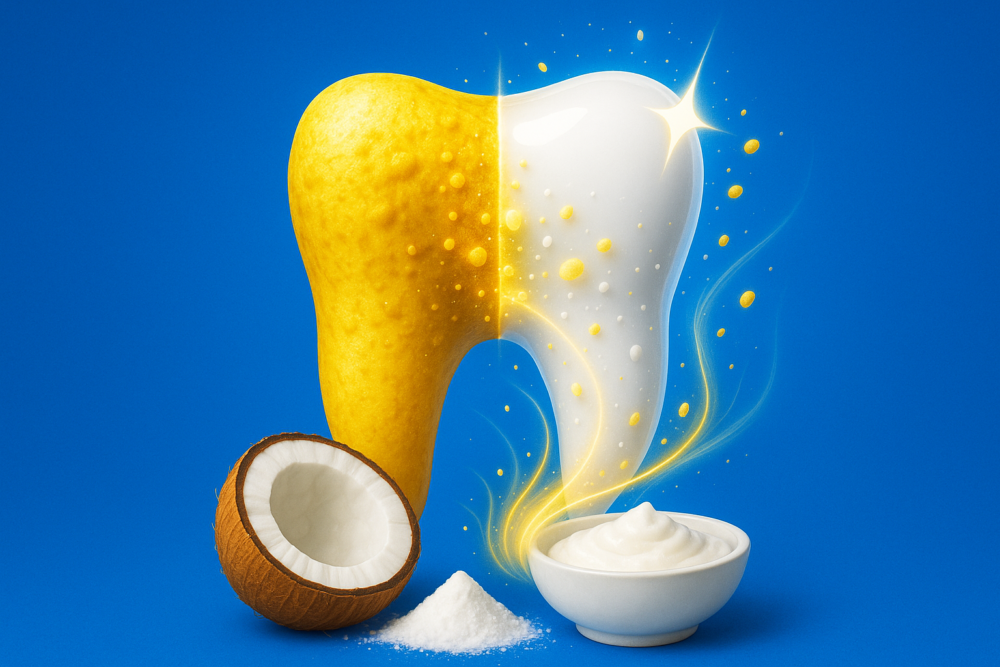
Are you ready to unlock the secret to a naturally brighter, healthier smile without relying on harsh chemicals or expensive products? You’re in the right place! Let’s explore the fascinating world of natural oral care using two everyday kitchen ingredients: coconut oil and baking soda. If you’re seeking a safe, effective way to whiten your teeth, reduce mouth bacteria, and maintain oral health, read on—this guide is crafted just for you.
Key Takeaways
- Coconut oil naturally fights harmful bacteria in your mouth
- Baking soda helps gently whiten teeth and protect enamel
- A simple DIY toothpaste combining both ingredients can safely boost oral hygiene
- Oil pulling with coconut oil is an ancient technique for fresher breath and fewer toxins
- Use these natural methods with care, a few times a week, and always follow up with regular dental visits
1. Coconut Oil: The Gentle Antibacterial Hero
Coconut oil isn’t just a trendy health food—it’s been celebrated for centuries for its powerful antibacterial properties. This is mainly due to lauric acid, a fatty acid with robust effects against harmful bacteria like Streptococcus mutans (the main culprit behind plaque and tooth decay). Because of its gentle yet effective action, coconut oil soothes gums, maintains a healthy balance of microbes in your mouth, and provides a calming barrier against irritation. When used in oral care, it doesn’t just clean; it helps nurture your gum health, too!
2. Baking Soda: Nature’s Mild Tooth Whitener
Now, let’s talk about baking soda, also known as sodium bicarbonate. This versatile ingredient is cherished for its gentle abrasiveness, which safely scrubs away surface stains and brightens your smile without being too harsh on your enamel. Even more, because it’s alkaline, baking soda neutralizes acidity in your mouth—protecting your enamel from wearing down and making your teeth less prone to cavities and sensitivity. Extra bonus: it stimulates saliva production, which naturally helps wash away food particles and bacteria, adding another layer of protection.
3. DIY Toothpaste: The Simple Recipe You Need
Creating a natural toothpaste at home couldn’t be easier. All you need are two pantry staples:
- 1 tablespoon of coconut oil
- 1 tablespoon of baking soda
Mix these together in a small bowl until they form a smooth paste. For a refreshing twist, you can add a drop of peppermint essential oil, which not only gives you minty-fresh breath but also brings added antimicrobial benefits. To use, apply a small amount to your toothbrush and gently brush your teeth for one to two minutes. Be sure to use a gentle touch—overbrushing with any abrasive, even natural, can wear down your enamel over time.
4. Oil Pulling: Ancient Wisdom for Modern Mouths
If you’ve never tried oil pulling, you might be surprised by how much of a difference it can make in your oral hygiene! This time-honored Ayurvedic practice involves swishing a tablespoon of coconut oil in your mouth for about 10 minutes. The process helps loosen stubborn bacteria, food particles, and plaque while the oil’s viscosity traps them. When you’re done, spit the oil into the trash (never the sink—coconut oil can clog pipes). People who oil pull regularly notice fresher breath, cleaner mouths, and healthier gums.
5. Why These Ingredients Work So Well Together
Here’s the science: the lauric acid in coconut oil actively breaks down harmful bacteria and decreases plaque formation. The physical act of brushing or swishing helps physically remove debris and plaque. Baking soda brings its mild abrasive and alkaline properties to the mix—lifting stains for a whiter smile and helping to neutralize acids, which in turn shields your enamel. By using them together, you create a natural oral care system that fights bacteria, freshens breath, and keeps your teeth looking their best.
6. How Often Should You Use DIY Toothpaste or Oil Pulling?
You don’t need to use these methods every day—start with once or twice a week and see how your mouth responds. This is usually enough to remove excess plaque, improve your oral microbiome, and avoid overexposing your teeth to abrasives. Everyone’s mouth is unique, so pay attention to your own results, and don’t hesitate to check with your dentist if you’re unsure about what’s right for you.
7. What Results Can You Expect?
Most people who try these natural techniques notice whiter teeth, fresher breath, and a visible reduction in plaque in just a few uses. You might also experience less sensitivity and improved gum health. Remember: consistency is key, but more isn’t always better—stick to the suggested frequency and be gentle in your approach.
8. Do I Still Need to See a Dentist?
Absolutely! Natural oral care is a fantastic complement to regular dental hygiene but shouldn’t replace professional dental checkups. Your dentist can help monitor your overall mouth health, detect any issues early, and give you advice tailored to your teeth and gums. Think of these DIY methods as a way to boost your daily routine, not as a total substitute.
9. Safety Tips for Natural Oral Care
- Always use gentle brushing motions with natural pastes
- Watch for signs of gum irritation or sensitivity
- Avoid swallowing coconut oil or baking soda mixtures
- Store your DIY paste in a clean, airtight container for short-term use
- Never spit coconut oil into the sink to prevent clogs
Conclusion
Nature delivers some powerful tools right to your kitchen for supporting a healthier mouth. By using coconut oil and baking soda, you can enjoy a whiter smile, fresher breath, and stronger oral health with minimal effort. Whether you’re brushing with a gentle homemade paste or trying oil pulling, these time-tested techniques are safe and accessible. Just remember: go gentle, listen to your body, and keep your dentist in the loop. Here’s to your healthiest, brightest smile ever!
Source: Dr, Mandell