

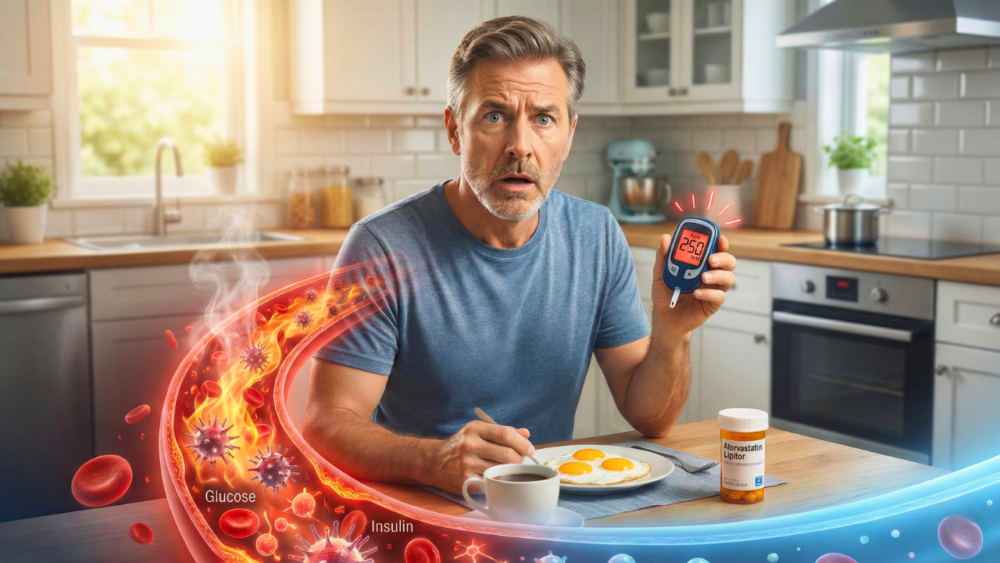
Are you one of the millions of people currently taking a statin drug for cholesterol or heart disease prevention? Maybe your doctor, your spouse, or even your mom convinced you to start this medication—and now you wonder if there’s more you should know about staying healthy while on statins. Whether you’re on these drugs because of a heart issue, secondary prevention, or simply because you were told it’s the right thing to do, it’s crucial to understand how statins impact your body and what steps you can take to protect your health.
Key Takeaways:
- Statins have side effects that go beyond just lowering cholesterol.
- There are seven critical areas to focus on for your well-being while taking statins.
- By staying informed and proactive, you can minimize risks and support your overall health.
Let’s break down the seven things you really need to be doing if you’re taking a statin, so you can feel empowered and stay healthier in the long run.
1. Boost Your Vitamin D Levels
Statins can hamper your body’s ability to produce vitamin D—a nutrient essential for bone health, immunity, and mood. Low vitamin D can leave you feeling tired and more prone to getting sick. Consider eating vitamin D-rich foods like fatty fish, egg yolks, and fortified products, or take a high-quality vitamin D3 supplement (avoid ones in vegetable seed oils). Regularly check your vitamin D levels and talk to your healthcare provider about optimal supplementation.
2. Don’t Neglect Vitamin K2
Vitamin K2 is often overlooked, but it’s different from vitamin K1 and plays a crucial role in bone and heart health. Statins can interfere with your body’s ability to produce K2. To counter this, include vitamin K2-rich foods in your diet, such as nattō, hard cheeses, and egg yolks. If those don’t fit your eating style, a K2 supplement can help bridge the gap. This one small step could make a significant difference for your arteries and bones.
3. Take Coenzyme Q10 (CoQ10)
This one is non-negotiable! Statins dramatically reduce your body’s natural CoQ10—an essential antioxidant that supports energy production in your cells, especially in your heart and muscles. Without enough CoQ10, you might feel fatigued or develop muscle aches. Every person taking a statin should consider a daily CoQ10 supplement (around 200 mg is commonly recommended). Ask your doctor which dose is right for you, and look for high-quality CoQ10 formulas.
4. Stay on Top of Eye Health to Prevent Cataracts
Some research suggests statins may contribute to cataract formation, while other studies—often funded by drug companies—claim the opposite. Since cataracts can impact your vision as you age, play it safe and schedule a comprehensive eye exam at least once a year. Be proactive about your eye health instead of waiting for symptoms to appear, especially if you’re on statins long-term.
5. Watch Out for High Insulin Levels (Hyperinsulinemia)
Research shows statins can make your insulin levels creep up, setting the stage for insulin resistance and potential metabolic issues down the road. Elevated insulin isn’t something you feel right away, but over time, it can increase your risk for a variety of health complications. Adjusting your diet—focusing on whole foods and reducing processed sugars and carbs—can help keep insulin within a healthy range. Regular checkups with fasting insulin tests can keep you on track.
6. Keep an Eye on Blood Sugar (Hyperglycemia)
Did you know statins can raise your blood sugar? For some, it’s a slight increase, but others may see more significant jumps. This is especially important if you’re already at risk for diabetes. Eating a lower-carbohydrate diet and monitoring your blood sugar regularly can help you maintain healthy glucose levels and avoid complications. Discuss dietary changes with your healthcare provider for a plan that fits you best.
7. Monitor Your Testosterone Levels
Both men and women need healthy testosterone levels—for muscle, bone strength, mood, and energy. Statins can lower your body’s production of this vital hormone, and too-low testosterone can zap your vitality and well-being. It’s wise to get your testosterone levels checked periodically. If levels drop too low, discuss bioidentical hormone replacement options with your doctor, as appropriate.
Conclusion
Statins may be necessary for some people, but that doesn’t mean you should ignore their side effects or simply assume everything is covered. By taking proactive steps—like supplementing the right nutrients, getting regular checkups, and making smart dietary choices—you can help protect your overall health while taking statins. Share this information with anyone you know on a statin—it just might improve their quality of life, too! Stay informed, stay proactive, and put your health first.