

2. Mechanical Problems

Mechanical knee pain accounts for a significant amount of knee injuries and is usually associated with physical activity (5). One of the most common of which is iliotibial (IT) band syndrome. Your IT band is a band of tough tissue (similar to a tendon) that runs from right above your hip to just below the knee joint (6).
IT band syndrome is very common in distance runners and cyclists and occurs when the IT band tightens and rubs against the femur during activity. This can cause pain in the hip, knee, and the outer portion of the upper leg. Treatment usually includes rest, ice, and heat, moderate foam rolling, and stretching.
Other mechanical knee problems include
- dislocations of the knee (usually the kneecap)
- a loose body: a piece of bone or cartilage that has broken off and floats around the knee joint
- compensation for hip or foot pain: Hip or foot pain can make you limp, which changes the way you walk. This causes stress on your knee joint, which can result in inflammation and swelling.
3. Arthritis
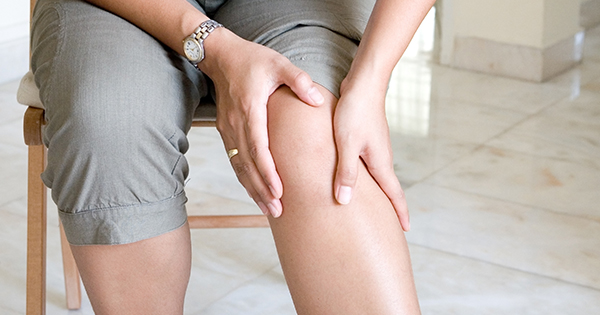
Arthritis is a very general term for pain, inflammation, and swelling in the joints (7). Of all the knee pain causes out there, this is the most common amongst older adults. Knee arthritis is a very painful (usually chronic) condition as it’s hard to give your knees a rest without relying on a wheelchair.
While there are over 100 different types of arthritis, there are a few that tend to affect the knee joint more than others. Arthritis is generally treated with both natural and pharmaceutical anti-inflammatories, ice/heat, moderate physical activity, and surgery in severe cases.
- Osteoarthritis: the most common form of arthritis, resulting from wear and tear on the joints as we age
- Rheumatoid arthritis: an autoimmune disorder that attacks every joint in the body
- Septic arthritis: caused by an infection within the joint and usually accompanied by a fever