

8. Collard Greens
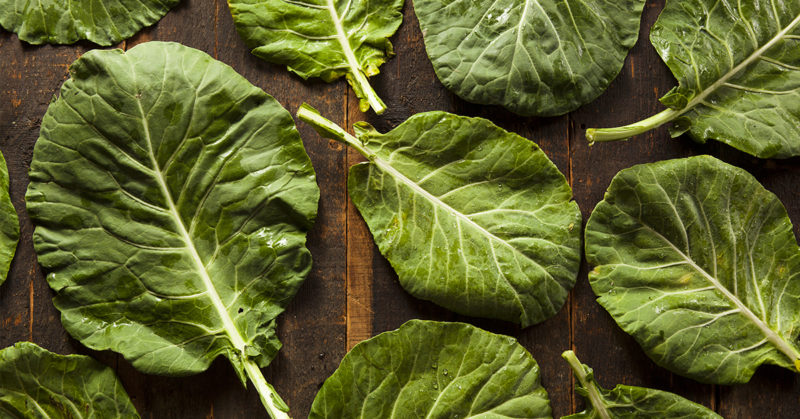
This classic veggie is high in Vitamin K, calcium, potassium and manganese.
Surprisingly, the antioxidants in collard greens have the ability to help prevent prostate and breast cancer (43).
Eat collard greens steamed or sautéed and combine them with other veggies like onions and mushrooms.
Protein Content (44):
- 1 cup (36-gram) = 0.9 grams of protein
- 100 grams = 2.5 grams of protein
9. Brussels Sprouts
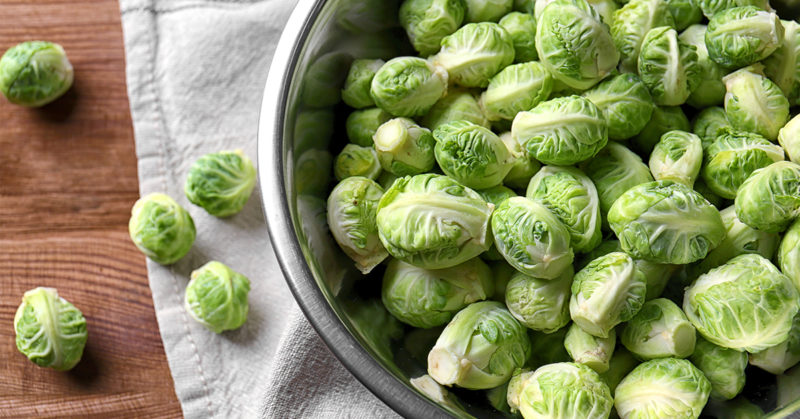
These great veggies are rich in folate, manganese, magnesium, potassium, iron, calcium and vitamins K, C, A, and B6. They even stimulate the production of beneficial short-chain fatty acids in the gut (45).
Raw Brussel sprouts are bitter, so make sure to grill, roast, or steam them.
Protein Content (46):
- 1-cup (88-gram) = 3 grams of protein
- 100 grams = 3.4 grams of protein
10. Cauliflower

Like broccoli, cauliflower is a low-calorie protein option.
High in vitamins C and K and minerals like potassium, manganese, magnesium, phosphorus, calcium, and iron, cauliflower packs a nutritional punch.
The vegetable also contains anticancer, antioxidant and anti-inflammatory glucosinolate compounds such as sinigrin (47, 48).
Some compounds in cauliflower are killed after cooking, although you can eat it both raw and cooked. The vegetable even acts as a substitute for starchy carbs such as rice and pizza crust.
Protein Content (49):
- 1 cup (100 grams) = 2 grams of protein.
The Bottom Line
Vegetables may not be as high in protein as animal products, but they have the benefit of being lower in calories.
They also contain healing compounds that improve your health with every bite. For a well-balanced plant-based diet, make sure to eat plenty of high-protein pulses like peas, lentils, and beans, as well as nuts, grains (such as hemp), and fermented soy.