

13. Grapefruit
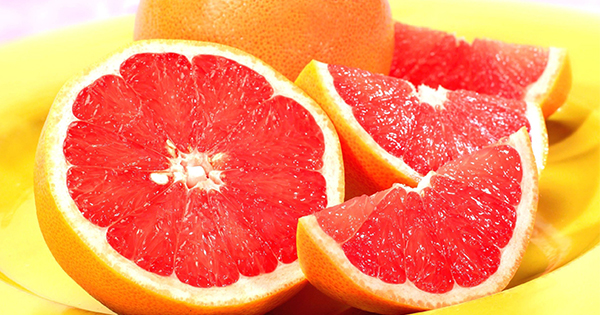
Grapefruits are full of vitamins like thiamine, riboflavin, vitamins C and E, niacin and pantothenic acid. Studies show that grapefruit can help to reduce the inflammation and pain in joints caused by arthritis. The high levels of vitamin C in grapefruit are also shown to be key in the formation of both collagen and proteoglycans, two major components of cartilage tissue that provide the cushion-like function and lubrication necessary for joint movement and proper function (26).
14. Beans

Studies show that a substance called C-reactive protein (CRP), which is produced by your liver, can increase inflammation in your body (27). Beans are not only an excellent source of fiber, but they also help to lower CRP, according to numerous studies.
One 2012 study published in The Journal of Food Composition and Analysis looked at the nutrient content of 10 common beans. IT found that they are full of antioxidant and anti-inflammatory compounds that can lower CRP (28).
15. Strawberries
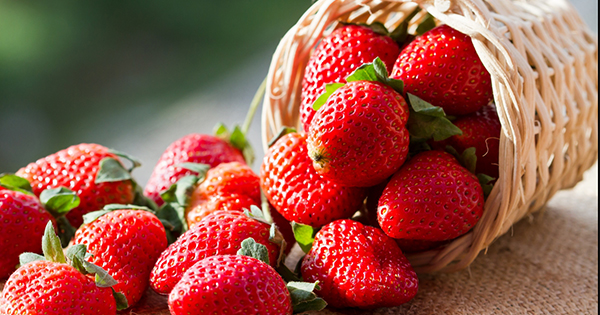
Strawberries contain powerful antioxidants called anthocyanidins, which not only give fruit like cherries, raspberries and strawberries their natural reddish color, but help to reduce inflammation. A 2007 study published in the Journal of the American College of Nutrition shows that people who eat more strawberries tend to have lower CRP levels (29).
16. Carrots
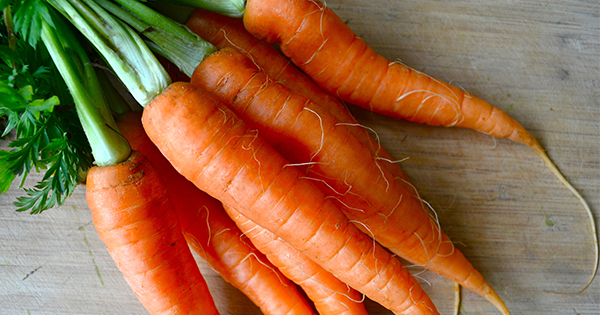
Carrots are full of beta-carotene, which is converted into vitamin A in your liver. They also contain beta-cryptoxanthin, another powerful antioxidant in the carotenoid family. A 2003 study published in Phototherapy Research shows that people who eat more foods containing beta-cryptoxanthin are better protected against arthritis. In fact, the effects from eating carrots are “significant when compared to Aspirin, Ibuprofen, Naproxen and Celebrex.” (30)
17. Celery
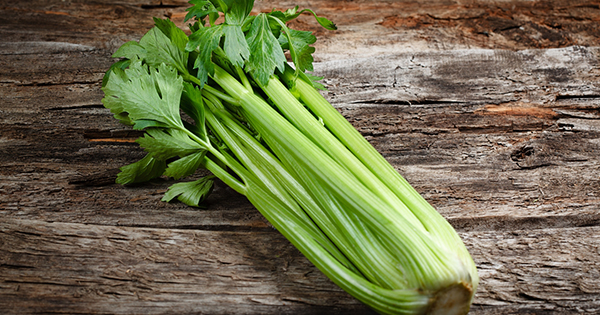
Celery is most commonly associated with dieting because it is so high in fiber and low in calories, but this crunchy vegetable has some powerful antioxidant and anti-inflammatory properties that can also help to lower inflammation, according to studies.
Researchers showed that certain unique polysaccharides in celery, like apiuman, produce significant anti-inflammatory effects.
As well, scientists have identified at least 12 other types of antioxidants in celery that include dihydrostilbenoids like lunularin, as well as furanocoumarins like bergapten and psoralen.
These antioxidants protect you against oxidative damage and inflammation to your cells, blood vessels, and organs (31).
18. Brussel Sprouts
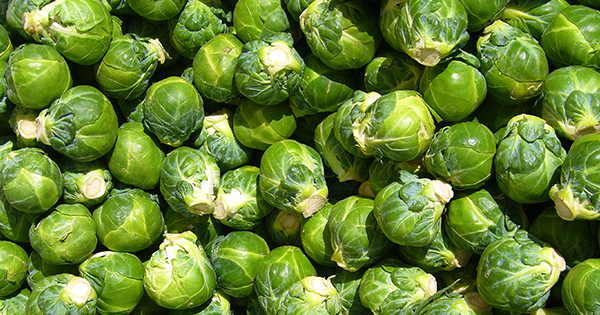
While Brussel sprouts are not always a favorite at the dinner table, these potent cruciferous vegetables are filled with sulforaphane, a substance known to help slow the cartilage damage in your joints caused by osteoarthritis. According to a 2013 study, this powerful substance can block any inflammation and protect against cartilage destruction (32).
19. Turmeric

Turmeric is probably one of the most widely known and studied substances for fighting inflammation. The active ingredient in turmeric is curcumin, which is responsible for a laundry list of health benefits, including powerful anti-inflammatory properties. A 2012 study published in the International Journal of Molecular Sciences even claims that curcumin may be beneficial for managing chronic inflammatory-related joint disease (33).
You don’t need to take a lot of this spice to experience its many health benefits. According to experts, just 50 milligrams of turmeric over a period of several months (equivalent to approximately 1/50th of a teaspoon) can do the trick (34).
20. Pineapple
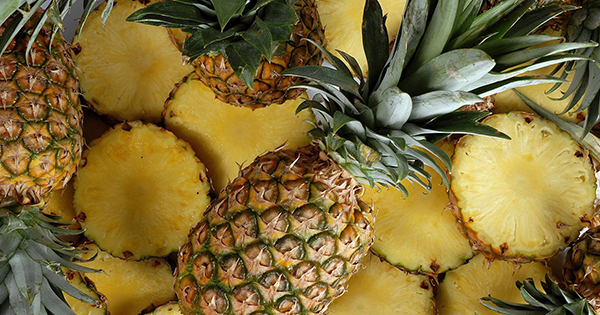
Pineapple contains a potent digestive enzyme called bromelain, which studies show has immune-modulating abilities. Bromelain helps by regulating your immune response, which, if left unchecked, is responsible for creating excessive inflammation. This can help ease pain. Pineapple is also a significant source of vitamin C, a known antioxidant that can help prevent and reduce inflammation (35). You can eat fresh pineapple or take a bromelain supplement of 500 mg to 2,000 mg, three times daily between meals.