
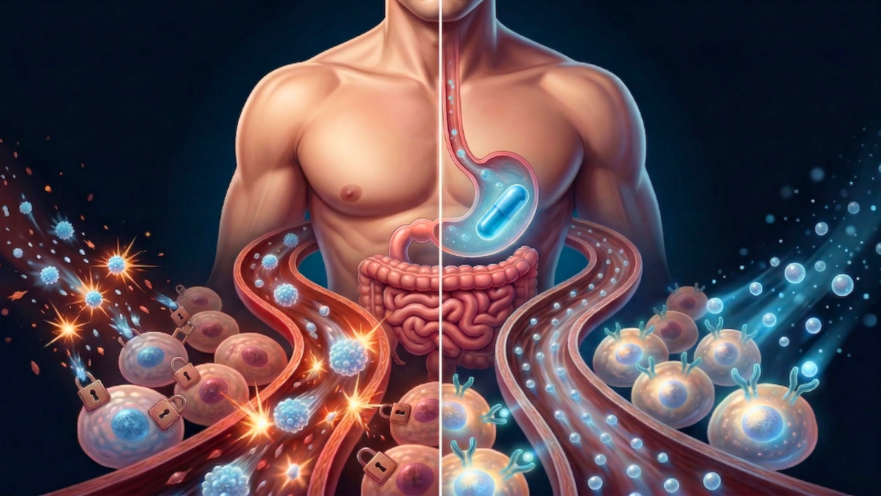
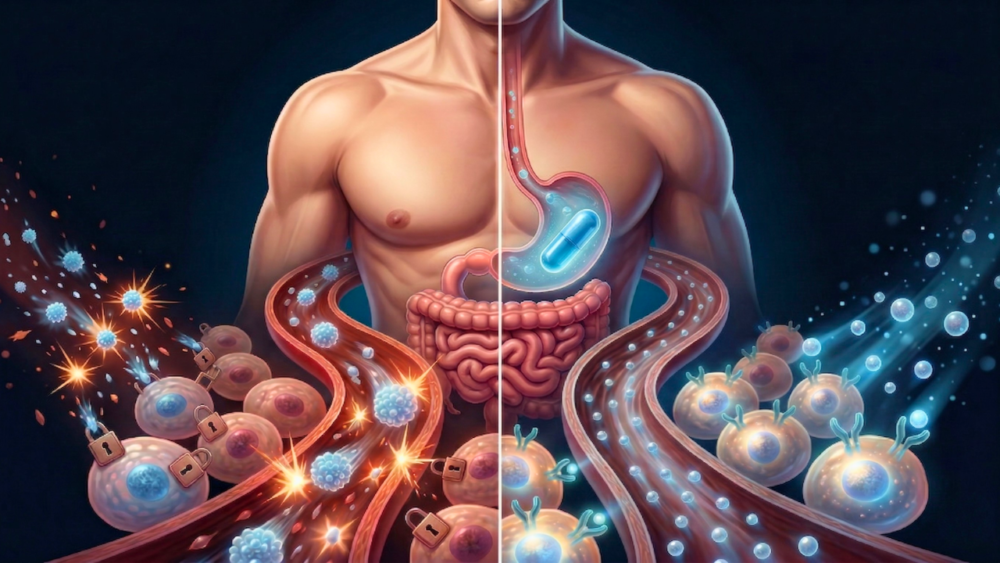
Have you ever felt like you’re doing everything right—eating healthy fruits, maybe a little honey—only to find your body isn’t responding the way it used to? It’s a frustrating place to be, blaming supposedly healthy foods when the real issue is your body’s declining ability to handle them. It’s like your metabolism is broken, and you’re left wondering, “What went wrong?” The answer might be simpler and more profound than you think, and it lies with a single, powerful mineral.
Imagine discovering that 400 milligrams of a simple mineral could fundamentally change your metabolic health. For decades, our intake of this mineral has been steadily declining, and this deficiency could be the biggest inadvertent oversight in metabolic history. This isn’t about a new fad; it’s about reconnecting with a fundamental piece of our biology. The mineral is magnesium, but it’s not just about popping a supplement. The form, the timing, and how it interacts with other nutrients are what unlock its true power.
This article will guide you through the science of magnesium and insulin resistance. We’ll explore the long-term human studies, dive into the electrical mechanics inside your cells, and provide a practical guide to using magnesium effectively. We’ll also reveal a five-step approach you can start tonight to reclaim your metabolic health. (Based on the insights of Thomas Delauer)
Key Takeaways
- Strong Scientific Backing: Large-scale, long-term studies show a powerful link between higher magnesium intake and a significantly lower risk of developing insulin resistance and type 2 diabetes.
- The Electrical Switch: Magnesium is crucial for the proper electrical signaling in your pancreas that allows for the release of insulin. Without it, your body can’t manage blood sugar effectively.
- It’s Not Just Magnesium: The balance of magnesium with calcium, sodium, and potassium is critical. Proper mineral balance prevents your body from wasting the magnesium you consume.
- The Vitamin D Connection: Your body cannot activate vitamin D supplements without adequate magnesium, making magnesium the gateway to unlocking vitamin D’s benefits for insulin sensitivity.
- A Multi-Step Approach: While magnesium is a cornerstone, a holistic strategy including specific exercise protocols, nutrient timing, and other supplements offers the most effective path to reversing insulin resistance.
1. The Overwhelming Evidence: What the Studies Say
You don’t have to take my word for it; the scientific data is compelling and consistent. A landmark study published in Nutrients followed 234 people with metabolic syndrome for a full year. Researchers tracked their magnesium intake and insulin resistance scores every quarter. The results were staggering: the group with the highest magnesium intake had a 71% lower chance of their insulin resistance worsening compared to the group with the lowest intake. In simple terms, the more magnesium people consumed, the better their bodies were at using fuel efficiently.
This isn’t an isolated finding. A massive 20-year follow-up study of 4,400 people, published in Diabetes Care, found the exact same pattern. Higher magnesium intake was directly linked to lower inflammation, lower insulin resistance, and a remarkable 47% lower chance of developing type 2 diabetes. When you see the same signal repeated across massive populations and long timeframes, you have to pay attention. A meta-analysis in the Journal of Nutrition that reviewed data from over 52,000 people confirmed it yet again: magnesium intake is inversely associated with fasting glucose and fasting insulin levels. The data isn’t lying.
2. The Electrical Spark: How Magnesium Controls Insulin
So, what is actually happening inside your body? Insulin resistance isn’t just about eating too many carbs. It’s about whether the beta cells in your pancreas can even respond to glucose signals correctly. These cells rely on two things to release insulin: a chemical signal from the glucose you eat and an electrical signal generated by a special channel.
Think of your pancreatic beta cell like a garage door. The glucose from your meal is the remote control you press. But magnesium is the electricity powering the whole system. If the power is out, you can click the remote all you want, but the door isn’t going to open. When you’re deficient in magnesium, the electrical signal in the beta cell falters. This disrupts the coupling between rising glucose and insulin secretion. They stop communicating properly.
This electrical failure can lead to two problems, both of which push you toward insulin resistance. First, the beta cell might not release enough insulin, leaving glucose stuck in your bloodstream. The door only opens a crack. Alternatively, the cell might malfunction and over-release insulin, causing your body’s cells to become desensitized and ignore the signal over time. This explains that “wired and tired” feeling many people experience. Your energy feels unpredictable because the electrical rhythm of insulin release is out of sync with your food intake.
3. Practical Application: Getting Magnesium Right
Understanding the science is one thing, but applying it is what brings results. Most people today consume far more calcium than magnesium, often without realizing it. Calcium is added to everything from cereals to nut milks, while magnesium is rarely fortified. These two minerals work like a hot and ground wire in an electrical circuit; you need a balance. Too much calcium without enough magnesium to ground it can disrupt your cellular electricity.
For most people, a good starting point is around 400-500 mg of supplemental magnesium per day. The form you choose can be tailored to your goals:
- Magnesium Malate: A great all-around option for daytime use. It provides a steady release and is well-tolerated by the digestive system.
- Magnesium Glycinate: Ideal for nighttime. The glycine component has a relaxing effect that can promote better sleep.
- Magnesium L-Threonate: This form is known for its ability to cross the blood-brain barrier, making it a good choice if you’re dealing with brain fog or other signs of brain-based insulin resistance.
However, don’t forget sodium and potassium. If your sodium levels are too low—a common issue for those who are fasting, dieting, or training heavily—your body will excrete more magnesium instead of using it. A pinch of quality salt or using an electrolyte supplement can help maintain this crucial mineral balance, ensuring your body holds onto the magnesium it needs.
4. The Unseen Partner: Magnesium’s Role in Activating Vitamin D
Here’s a piece of the puzzle many people miss: the critical link between magnesium and vitamin D. Your body literally cannot convert vitamin D into its active, usable form without magnesium. Magnesium is the rate-limiting step required for every stage of vitamin D activation.
If your magnesium levels are low, taking vitamin D supplements is like putting premium fuel into a car with no engine. The potential is there, but the machinery to use it is offline. This is why some people take high doses of vitamin D and see no metabolic benefit. A fascinating randomized trial found that magnesium supplementation actually increased vitamin D levels in people who were deficient but decreased them in people who had too much. This shows magnesium isn’t just a blind booster; it’s a master regulator of the entire pathway.
This circles directly back to insulin. Active vitamin D plays a key role in promoting insulin sensitivity. When low magnesium impairs vitamin D activation, you get a double whammy: the electrical problems in your pancreas are compounded by poor insulin signaling throughout your body. Before you reach for high-dose vitamin D, make sure your magnesium levels are sufficient. Magnesium is the gateway.
5. A 5-Step Plan to Reclaim Your Metabolic Health
Magnesium is a powerful tool, but it’s part of a larger strategy. Here is a five-step approach to combat insulin resistance that you can begin implementing today.
- High-Intensity Interval Training (HIIT): Incorporate HIIT two to three times per week. A proven method is the Norwegian 4×4: four minutes of high intensity (as hard as you can sustain for four minutes), followed by three minutes of active recovery, repeated for four rounds. This powerfully increases your mitochondria’s ability to use glucose efficiently.
- Evening Walks: This is simpler than it sounds. Walking after meals, especially in the evening, helps lower cortisol. Reduced cortisol helps rekindle your body’s natural rhythms and improves insulin sensitivity while you sleep.
- Strategic Intra-Workout Carbs: This may sound counterintuitive, but it works. While you should train fasted most of the time, occasionally add a small amount of carbohydrates (like a spoonful of honey or some watermelon) during your weightlifting sessions. During exercise, your muscles can absorb glucose without needing insulin. This trains your cells to become accustomed to using carbs again, improving their affinity for them in a controlled, low-insulin environment.
- Protein Leveraging: Front-load your protein intake. Your brain is wired to keep your appetite high until your daily protein needs are met. By eating a large portion of your protein—even 75-100 grams—early in the day, you send a powerful satiety signal to your brain, which helps turn off hunger signals and supports fat loss.
- The Nighttime Stack: Create a routine to optimize overnight fat burning. Take magnesium glycinate for relaxation and cellular function. Add a separate 3-gram serving of glycine, which acts as a neurotransmitter to lower cortisol. Finally, drink two to three tablespoons of apple cider vinegar in water (with a straw to protect your teeth) before bed. This helps put your body into a fasted state more quickly, maximizing fat oxidation while you sleep.
Conclusion
Feeling like your body is working against you can be disheartening, but the path to restoring your metabolic health is clearer than you might think. It’s not about blaming healthy foods or engaging in endless deprivation. It’s about understanding and addressing the root cause. By recognizing the critical role of magnesium and implementing a holistic strategy that includes smart exercise, nutrient timing, and targeted supplementation, you can give your body the tools it needs to function correctly. You can fix the underlying electrical system and retrain your cells to use energy efficiently, putting you back in control of your health.
Source: Thomas Delauer