

Four Factors That Accelerate Muscle Loss
1. Immobility, Including a Sedentary Lifestyle

You don’t use it, you lose it. You may not be as fast or agile as you once were, but inactivity will expedite muscle loss. As we age, we lose muscle mass faster as the result of inactivity than when we were younger, which makes continued physical activity all the more critical. (5)
A Dutch study at the Maastricht University Medical Center found a significant loss of muscle mass (ten percent) in healthy young men after only five days of inactivity. In the elderly, five days of inactivity can result in the inability to accomplish routine daily activities. Compared with younger people, the pace of muscle degradation in older people exceeds the body’s ability to replenish muscle mass, resulting in a permanent loss. (6) Regular physical activity is crucial at all ages and lack of it in younger years can increase the risk of developing sarcopenia as you age.
With the loss of muscle come changes to the rest of your body as well: bones; joints; connective tissues; respiratory, digestive, nervous, immune, and circulatory systems; and even organs (including skin). Moreover, one of the causes of osteoporosis, another common degenerative condition that comes with age, is declining muscle activity on bone mass, reducing bone density. Bone density from inactivity can decrease up to fifty percent in only three months. (7) The body was made to move; when it doesn’t, good health fails. It’s that simple.
2. Unbalanced Diet

We get all of our fuel and nutrition from the food we eat. As our bodies change, so do our nutritional needs. A poor diet leads to poor health. Older people tend to eat less so what you do eat is important. Malnutrition in elderly people is not uncommon because the little they eat is inadequate to support bodily functions. Not enough protein and too much acidic food (processed foods, grains, soft drinks) with not enough vegetables and fruits can lead to loss of muscle mass. (8)
In his book Clinical Nutrition and Aging: Sarcopenia and Muscle Metabolism, Chad Cox, Ph.D. has this to say about the importance of diet:
“Regrettably, poor diet is one of the most common problems practitioners encounter when treating older adults. Many individuals in this population have low nutrient intakes, for a variety of reasons that range from physical deficits to economic hardship. Dental problems in the elderly may make them more likely to choose softer foods that often lack protein; delayed gastric emptying can reduce appetite; hormonal changes may cause longer-lasting feelings of satiety. On top of that, meat is more expensive than foods rich in starch, and for this reason, individuals who are living on a fixed income may tend to fill up on cheap, processed carbohydrates. Lack of physical strength may also make packaged, processed foods more appealing.
“… sarcopenia prevention needs to begin before old age. Research confirms that the greater the peak strength attained during a person’s younger adult life, the more likely an individual will have greater strength in their older years. Early intervention can make a difference. We need to teach our students and patients that if they optimize their nutrition now, they will be investing in their future well-being.” (9)
It may seem counterintuitive but the metabolic factors associated with obesity and diabetes are contributing factors to sarcopenia. These are directly attributable to diet. Protein and physical activity are required for muscle development and retention. A balanced diet that includes adequate protein intake and minimal inflammatory foods like sugar and complex carbohydrates can stall the progression of sarcopenia. (10)
3. Inflammation
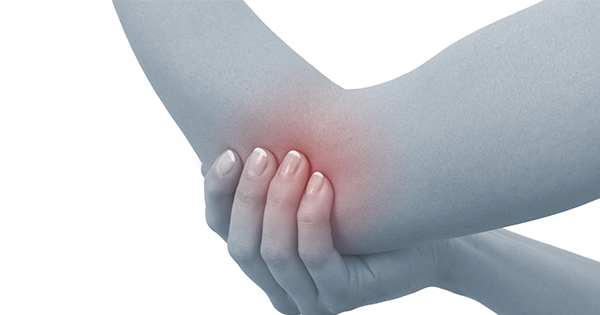
Chronic systemic inflammation is the precursor to virtually all illness and disease and sarcopenia is no exception. (11) Inflammation is an immune response to a variety of factors, from injury or infection to poor diet. Chronic inflammation occurs when our diet, lifestyle, and environmental toxins constantly invade our bodies, forcing the immune system into continual overdrive.
Cytokines are cellular transmitters that are responsible for stimulating an immune system response. It has been established that people with sarcopenia have higher cytokine levels in their blood than healthy people. (12) The loss of muscle mass and strength in older people is directly associated with these inflammatory markers. (13)
Inflammation goes hand-in-hand with oxidative stress, a condition that occurs when there are too many unstable oxygen-containing “free radical” molecules in the body that interact with other cells causing a general molecular imbalance. If not counteracted with dietary antioxidants that give their electrons to free radicals to stabilize them, oxidative stress can occur. Oxidative stress is a primary cause of inflammation.
The link between these and the loss of muscle mass was the focus of a 2010 study:
“Evidence suggests that oxidative stress and molecular inflammation play important roles in age-related muscle atrophy. The two factors may interfere with the balance between protein synthesis and breakdown, cause mitochondrial dysfunction [cell structures that convert nutrients to energy], and induce apoptosis [cell death].” (14)