
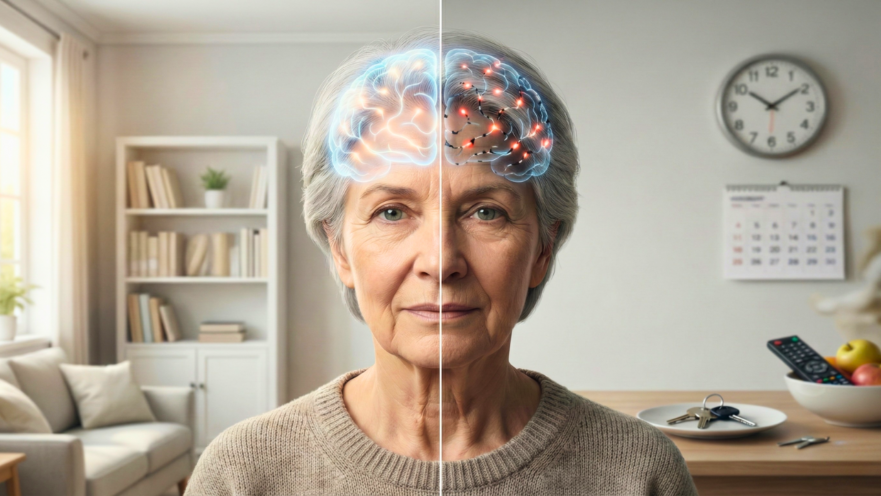
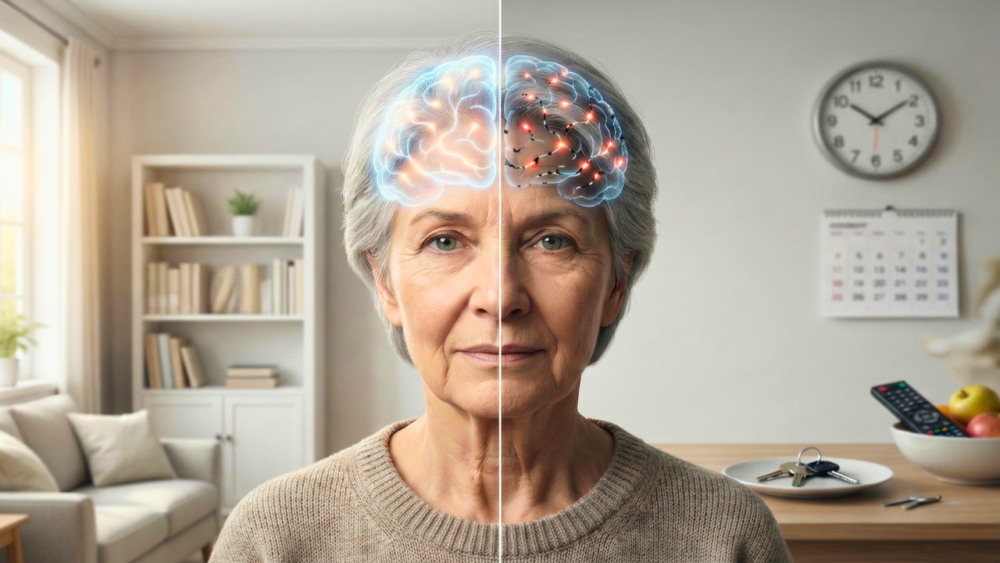
Have you ever wondered whether those little memory lapses or changes in a loved one could be something more? Many people associate dementia with severe memory loss, but it often starts much more subtly—decades before any official diagnosis. Catching these warning signs early can make a big difference in slowing cognitive decline and improving quality of life. (Based on the insights of Dr. Liu Jia-Yia)
Key Takeaways
- Dementia can develop over 20-30 years before diagnosis—don’t wait for obvious signs.
- Early detection and lifestyle changes can slow memory loss in many types of dementia.
- Recognizing the early red flags and taking action can vastly improve outcomes for loved ones.
Let’s dive into the 10 subtle early signs of dementia you should be looking for in your loved ones—and how you can help.
1. Frequent Misplacing of Things and Disorientation
Do you or your loved one regularly lose keys, wallets, or frequently forget where the car is parked—even in familiar places? While everyone misplaces things occasionally, a growing habit of losing items or confusion about locations (even on routine routes) is an early red flag. People with healthy brains can usually create routines and quickly correct themselves, while those with dementia cannot.
How to help:
- Establish daily routines and designated spots for important items.
- Use memory games to train the brain.
- Limit or monitor activities such as driving as needed.
2. Increasing Social Isolation
Choosing to be alone, frequently avoiding group activities, or withdrawing from family and friends is another early sign. Social connections are vital for brain health, and isolation actually increases dementia risk. While isolation feels easier for someone with cognitive decline, it’s best to gently encourage face-to-face interaction.
How to help:
- Plan regular visits and group activities.
- Encourage attendance at community centers, clubs, or religious groups.
- Remember: texting or social media do not replace real-life connection.
3. Trouble Finding the Right Words
Struggling to find the correct word, substituting with simpler terms, or pausing mid-sentence can signal early language difficulties. It’s normal to forget a word occasionally, but persistent trouble—especially with commonly used words—should be watched. Family members sometimes attribute this to fatigue but consistent difficulty is cause for concern.
How to help:
- Practice regular conversations.
- Engage in reading and brain exercises.
4. Difficulty Completing Familiar Tasks
When common routines like managing appointments, following recipes, or household tasks become overwhelming, it’s a clear warning. Loved ones may start ignoring household problems or become anxious about routine chores.
How to help:
- Break activities into smaller steps.
- Give patient reminders and support but allow as much independence as safely possible.
5. Subtle Mood or Personality Changes
Irritability, easy frustration, increased anxiety, and apathy can all precede memory loss—sometimes by years. These emotional shifts may get blamed on aging, menopause, or stress, but they often signal changes in the brain’s emotional regulation circuits.
How to help:
- Maintain open and supportive communication.
- Seek professional advice for sudden mood shifts.
6. Impaired Sense of Spatial Processing
Spatial processing allows us to understand where we are in relation to other objects and navigate safely. Early dementia can cause trouble parking, judging distances while driving, or trouble following multi-step directions. This isn’t simply getting lost occasionally—it’s consistent difficulty with spatial relationships.
How to help:
- Limit unsupervised driving.
- Practice simple multi-step activities together.
7. Declining Sleep Quality
Restless nights, frequent awakenings, or feeling tired despite sleeping can be an overlooked sign. The brain uses deep sleep to clean out toxins; lack of restful sleep increases dementia risk and can also stem from cognitive changes.
How to help:
- Establish a sleep routine (go to bed by 11 PM).
- Make the bedroom a calm, cool, sleep-specific space.
- Avoid heavy meals or beverages close to bedtime.
- Consult a sleep specialist for chronic issues.
8. Heightened Sensitivity to Noise or Light
You might notice a loved one avoiding music, complaining of loud environments, or being easily overwhelmed by bright lights. This reflects the brain’s declining ability to filter unnecessary stimuli, making day-to-day environments exhausting.
How to help:
- Reduce unnecessary background noise.
- Limit time in highly stimulating environments.
- Practice going out in small, calm groups.
9. Excessive Rumination and Repetitive Negative Thoughts
People with dementia may get stuck on the same negative thoughts, expressing the same worries or grievances repeatedly. These loops can increase frustration for both the person and their loved ones.
How to help:
- Change the subject or engage in a fun distraction when rumination occurs.
- Avoid arguing against entrenched irrational beliefs.
10. Difficulty Organizing and Managing Daily Life
A once-tidy home becoming messy or unsafe, missed appointments, spoiled food in the fridge, and forgotten chores all suggest issues with organization and executive function. These changes can sometimes go unnoticed until they reach a crisis point.
How to help:
- Encourage continued participation in daily chores with appropriate supervision.
- Gently assist in organizing the home.
- Monitor for potential safety hazards in areas like the kitchen or bathroom.
The Bottom Line
Dementia is far more common than most realize, with millions of families affected worldwide. But the biggest tragedy is in missing the early warning signs, when interventions like exercise, brain games, nutrition, sleep, and social engagement can truly make a difference. Remember: recognizing and addressing these early symptoms is a sign of strength and care, not weakness.
If you see these signs in yourself or someone you love, don’t panic—but do act. Talk to health professionals, adjust your lifestyle, and prioritize brain health now. Early action can make all the difference on this challenging journey. Let’s protect our brains and our loved ones, today and for decades to come.
Source: Dr. Liu Jia-Yia