
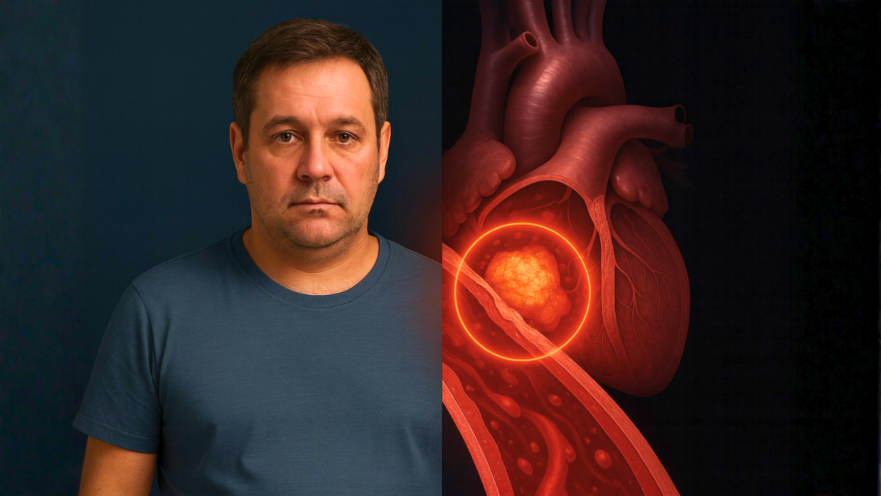

A recent study published in the European Heart Journal has found that individuals with diabetes, both type 1 and type 2, face a significantly higher risk of sudden cardiac death. This condition, where the heart abruptly stops beating, not only occurs more frequently in people with diabetes but also contributes to a shortened life expectancy.
Key Takeaways
- People with diabetes have a dramatically higher risk of sudden cardiac death.
- Diabetics are 3.7 to 6.5 times more likely to die from cardiac arrest than the general population.
- This increased risk cuts years off their life expectancy.
Alarming Statistics
The study, which analyzed health data from the entire Danish population in 2010, revealed stark figures. People with type 2 diabetes were 6.5 times more likely to die from sudden cardiac arrest, while those with type 1 diabetes were 3.7 times more likely compared to individuals without diabetes. The risk is particularly pronounced in younger individuals, with those under 50 experiencing a seven-fold higher risk.
Sudden cardiac death rates were highest in the 30 to 40 age group for type 1 diabetes patients and in the 40 to 50 age group for type 2 diabetes patients. This elevated risk significantly impacts life expectancy, with average life expectancy being over 14 years shorter for those with type 1 diabetes and nearly 8 years shorter for those with type 2 diabetes. Sudden cardiac death accounted for a substantial portion of this lost life expectancy.
Understanding the Increased Risk
Researchers suggest that diabetes may increase the risk of sudden cardiac death through several mechanisms. High blood sugar levels and nerve damage associated with diabetes can lead to heart disease and irregular heartbeats. While this study establishes a link, it’s important to note that it cannot definitively prove causation.
Strategies for Prevention and Management
Despite the challenges in predicting and preventing sudden cardiac death, the findings underscore the importance of proactive cardiovascular risk management for individuals with diabetes. Working closely with healthcare providers is crucial. Emerging diabetes medications, such as SGLT2 inhibitors and GLP-1 agonists, may help mitigate this risk by improving blood sugar control. For those at high risk, implantable devices that can shock the heart back into rhythm are an option. Additionally, smartwatches capable of detecting sudden cardiac arrest and automatically calling for emergency services could offer a vital safety net, especially for type 1 diabetes patients who have a higher proportion of unwitnessed events.
Sources
- Study Finds Diabetics Face Increased Sudden Cardiac Death Risk, HealthDay.
- People With Diabetes Face Dramatically Higher Odds Of Sudden Cardiac Death, U.S. News & World Report.