


Have you ever found a jar of bay leaves pushed to the back of your spice cabinet, forgotten except for feijoada or a special stew? Before you overlook this humble herb again, let’s dive into why a simple cup of bay leaf tea just might become your new favorite daily ritual—especially if you care about your heart health, your digestion, and so much more.
Key Takeaways:
- Bay leaf tea isn’t just for flavor—it offers science-backed health benefits for your heart, digestive system, immunity, and even your mind.
- Powerful plant compounds in bay leaves may reduce inflammation, oxidative stress, and contribute to a healthier circulatory system.
- Consistency, moderation, and correct preparation are key to gaining the most benefit from bay leaf tea.
If you’re looking for a natural ally in your pursuit of longer, healthier life, keep reading for seven compelling reasons to make bay leaf tea part of your routine—and exactly how to do it safely.
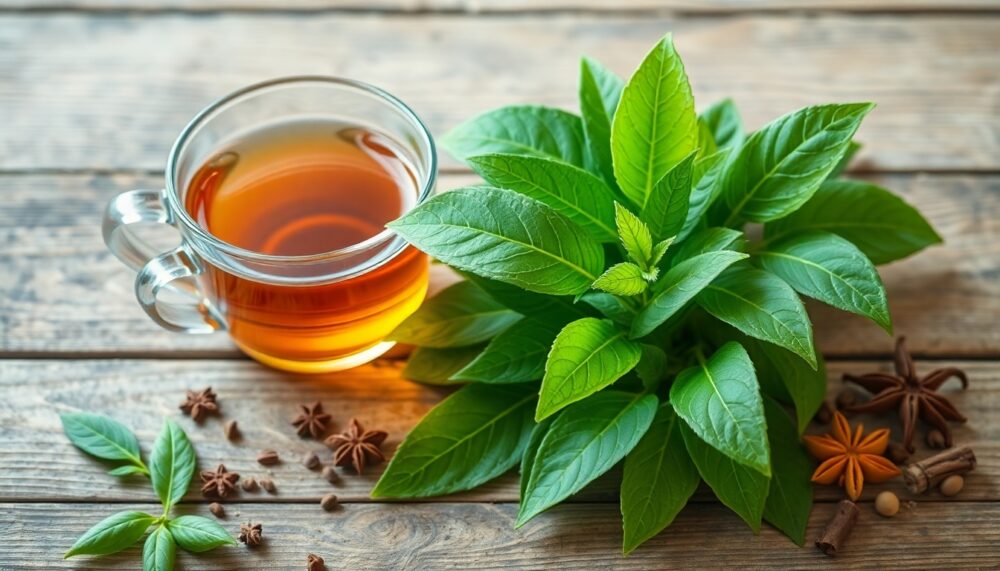
1. It’s Your Digestive System’s Best Friend
Ever feel like your stomach is fighting a losing battle after a meal—bloating, gas, that heavy feeling? Bay leaf has carminative properties, meaning it reduces gas and soothes digestive discomfort. Think of bay leaf as the party organizer in your gut: it calms down chaos, helps break up food better, and eases that pesky stomach burning. Its anti-inflammatory effects can even relieve symptoms of gastritis and heartburn. Next time indigestion strikes, reach for a cup of bay leaf tea instead of your usual antacid.
2. Boosts Your Immune Defenses
Picture your body’s immune system as a fortress, always ready to fend off invaders like viruses or bacteria. Bay leaves naturally contain vitamin C, vitamin A, iron, and zinc—all key nutrients for strong immune function. Research shows its essential oils also have antibacterial, antifungal, and even antiviral effects. The plant’s powerful antioxidants help repair your cells and keep your blood vessels sturdy—so colds and bugs have a tougher time getting in.
3. Promotes Calmness and Stress Relief
Stressed out, anxious, or struggling to sleep? Bay leaves are rich in linalool, an essential oil famed for its calming and soothing properties. Unlike a strong sedative, linalool offers a gentle relaxation—softening anxious thoughts, calming your heart rate, and improving sleep quality. In aromatherapy, bay leaf essential oil transforms your environment into an oasis of calm, but even sipping the tea at the end of a hectic day can help you unwind naturally.
4. Fights Inflammation and Eases Joint Pain
As we age, our joints often “creak” like rusty hinges—think of arthritis, swollen knees, or a stiff back. Bay leaves are packed with eugenol, a plant compound that acts as a natural anti-inflammatory and antioxidant. It may reduce the ongoing, hidden inflammation that can lead to chronic joint problems. For anyone struggling with pain, swelling, or repetitive aches, bay leaf tea could be a gentle way to support lasting relief alongside your usual care.
5. Soothes Respiratory Issues
Ever wrestled with a stuffy nose, persistent cough, or chest congestion? Just inhaling the steam from hot bay leaf tea can help open airways, loosen phlegm, and ease that feeling of breathlessness. Those same essential oils help thin mucus and support your body’s fight against colds, flus, and even mild bronchitis—all without needing to reach for yet another over-the-counter remedy.
6. Protects Your Heart and Blood Vessels
Let’s talk about the real star feature: cardiovascular protection. Bay leaves contain caffeic acid, which helps improve cholesterol profiles—lowering triglycerides and raising good HDL cholesterol. Their natural coumarins act as mild blood thinners, which can help prevent dangerous blood clots that cause strokes, heart attacks, or leg artery blockages. Their antioxidants also guard your blood vessels against premature aging. Think of bay leaves as silent custodians, cleaning up free radicals and keeping your circulation flowing smoothly.
7. Easy to Prepare and Use Safely
All these benefits only matter if you prepare bay leaf tea correctly and avoid overdoing it. Here’s how:
- Classic Recipe: Simmer 4 bay leaves (dried or fresh) in 400-500ml of water for 10-15 minutes. Remove from heat, let steep, and sip. Adjust the strength to your taste—more water for mild flavor, less for stronger.
- Best Practice: Use dried leaves for consistency; fresh leaves (if available) have more essential oils.
- Daily Dose: Moderation is key—one to two cups a day is typically safe for most adults.
- Cautions: If you’re pregnant, lactating, on blood thinners, or have a digestive disorder, consult your doctor before adding bay leaf tea to your routine. Remember, natural doesn’t always mean risk-free.
Conclusion: A Simple Leaf With Powerful Potential
Who knew that a common kitchen staple could be such a powerhouse for your heart, digestion, and general well-being? Next time you find bay leaves gathering dust in your pantry, consider making a cup of tea rather than saving them just for Sunday dinner. With centuries of use and now scientific support, bay leaf is more than a food flavor—it could be your body’s next best natural ally.
So, will you let bay leaves sit forgotten at the back of your cupboard, or turn them into daily protection for your health and longevity? The choice is yours. Want more simple, science-backed ways to boost your circulation and protect your future? Stay tuned for more tips, and keep making your health a priority!