

Swollen feet can be a real nuisance, making it hard to get around and just generally uncomfortable. Whether it’s from standing too long, sitting too long, or just the natural changes that come with age, there are ways to help. We’re going to walk you through some simple, effective methods you can do right at home to get some relief.
Key Takeaways
- Understand the Cause: Swelling often relates to how blood returns to the heart. Veins and muscle contractions play a big role.
- Elevation is Key: Raising your legs helps gravity work in your favor.
- Movement Matters: Simple exercises like ankle pumps get your muscles working to push fluid up.
- Manual Help: Massaging your feet and lower legs can encourage circulation.
- Compression Support: Socks can provide gentle pressure to aid blood flow.
Why Do Feet Swell Anyway?
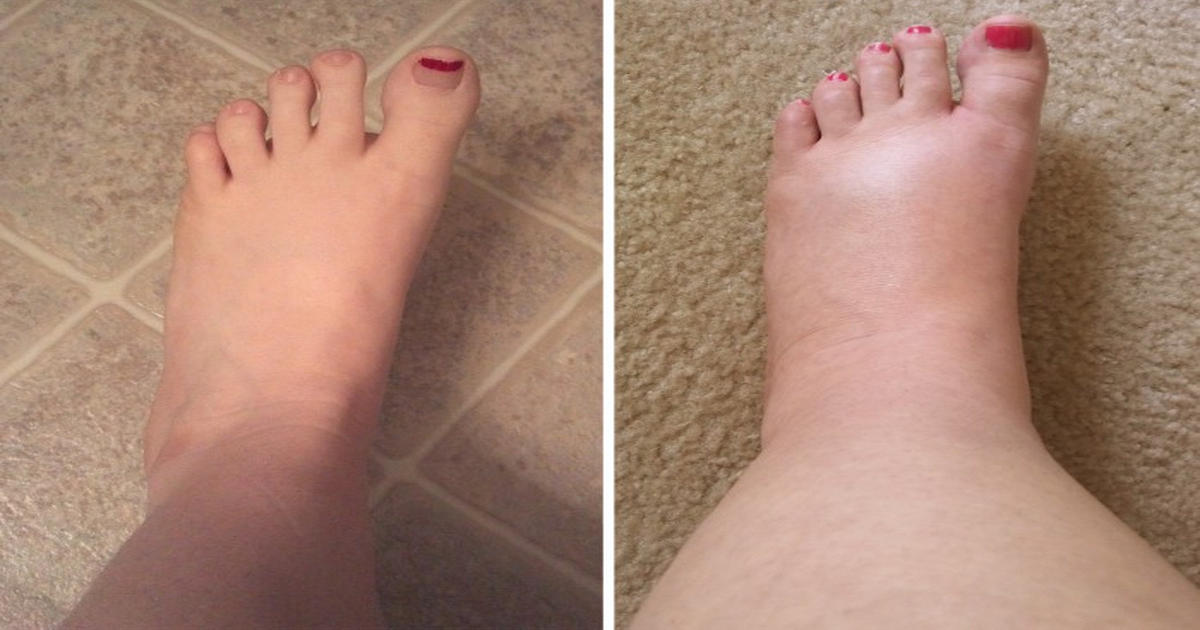
Before we jump into the fixes, it helps to know what’s going on. Basically, your body has arteries that carry blood away from your heart and veins that bring it back. When you’re standing or sitting for long periods, it can be tough for those veins to get the blood all the way back up, especially against gravity. This can cause fluid to pool in your feet and ankles, leading to that puffy, swollen feeling. There’s also something called lymphedema, which is a bit different and involves fluid buildup, but for general swelling, it often comes down to circulation issues.
Two main things help move blood back up: muscle contraction and gravity. When you walk or move your legs, your muscles squeeze the veins, pushing blood along. Gravity also helps when you’re upright, but it can also work against you, making fluid settle in your feet. So, our remedies will focus on using these principles to your advantage.
Remedy 1: Elevate and Pump

This is probably the simplest and most effective thing you can do, and it’s completely free. The idea is to get your legs higher than your heart. You can do this by lying down and propping your legs up on pillows or a wedge pillow. A leg wedge pillow can be really comfortable, but a few regular pillows work just fine.
While your legs are elevated, add some ankle pumps. This means flexing your feet up towards your shins and then pointing your toes down. Doing about 30 repetitions, or maybe 10 reps three times, can really help get those calf muscles working. This muscle action acts like a pump, helping to push that pooled fluid back up towards your heart. You can do this in bed or on the floor – just find a comfy spot and give it a try.
Remedy 2: Give Your Feet a Massage

If elevating isn’t quite cutting it, or you want to add another step, try massaging your feet and lower legs. You can do this yourself or, if you’re lucky, have someone else help out. The key is to work the fluid upwards, towards your heart.
Start by gently working your toes, then move to the sole of your foot, and then up your ankle and calf. Use your thumbs or the palms of your hands, applying gentle but firm pressure. You want to move in the direction of blood flow, which is upwards. This manual massage can really help get things moving.
If doing it by hand gets tiring, there are devices that can help. A foot massager, especially one with gentle compression or heat, can be a great option. You just place your feet in it, and it does the work for you. Some even have settings to adjust the intensity and compression, which can be really nice for targeting that swelling. Just remember, if your swelling is due to something like lymphedema, it’s best to consult a specialist, as those require specific techniques.
Remedy 3: Compression Socks

Compression socks are another popular option for managing swollen feet and legs. These socks are designed to provide gentle pressure, usually more around the ankle and foot, and gradually less as it goes up the leg. This graduated compression helps encourage blood flow back towards the heart.
They come in different levels of compression, often measured in millimeters of mercury (mmHg). For general swelling, something around 15-20 mmHg might be enough. If you have more significant issues, your doctor might recommend higher levels, but it’s always best to check with a healthcare professional, especially for medical-grade compression.
Putting on compression socks can sometimes be a challenge because they are snug. Starting at the toe and carefully pulling them up over your heel and calf is the usual method. If you find them too difficult to put on, there are tools called sock aids that can make the process much easier. These gadgets help you get the sock onto your foot and leg without as much struggle. Once they’re on, they can provide consistent support throughout the day, whether you’re sitting or standing.
Putting It All Together
So, to recap, start with the simplest things: elevating your legs and doing ankle pumps. If that doesn’t provide enough relief, consider adding foot massage or trying compression socks. If you spend a lot of time on your feet, compression socks can be great for daily wear. If you’re often sitting, a foot massager might be a nice way to get some relief when you get home. Remember, if you have persistent or severe swelling, it’s always a good idea to talk to your doctor to rule out any underlying medical conditions.