

➡️8. Tofu
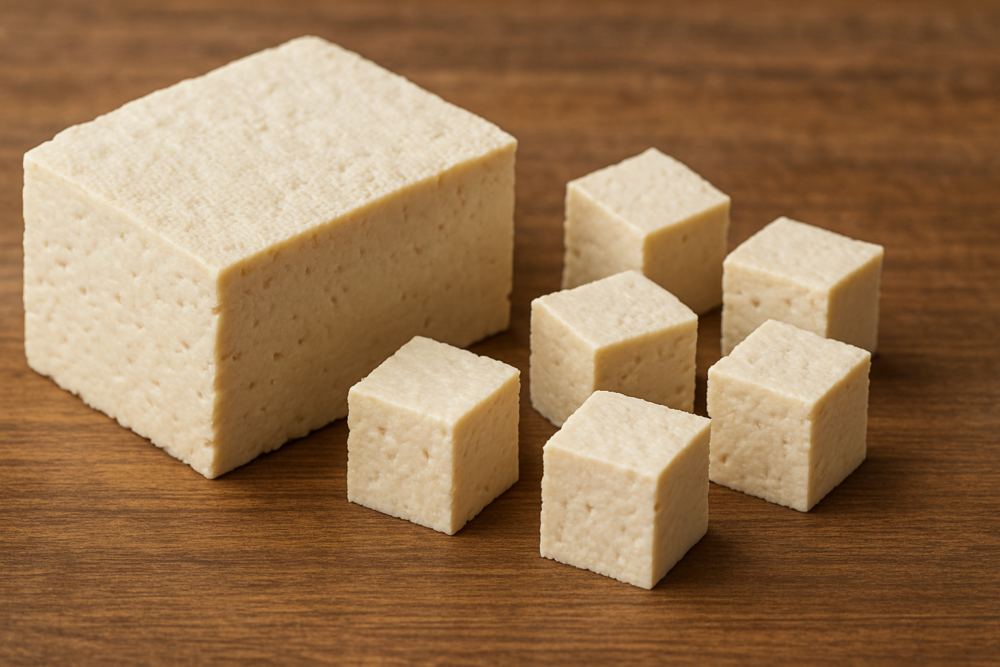
Tofu came from China over 2,000 years ago. Soybeans, which tofu is made from, contain isoflavones. These are a type of phytoestrogen that can block the effects of harmful estrogen, whether it’s from your body’s own production or from eating animal products. Isoflavones are known to reduce the risk of hormone-related cancers. Children who eat soy products have a lower risk of breast cancer when they grow up. Unlike dairy milk, soy can actually help your bones and is a complete plant-based protein. One of my favorite ways to eat tofu is in Korean tofu soup, especially the vegetarian version with mushrooms.
➡️9. White Button Mushrooms
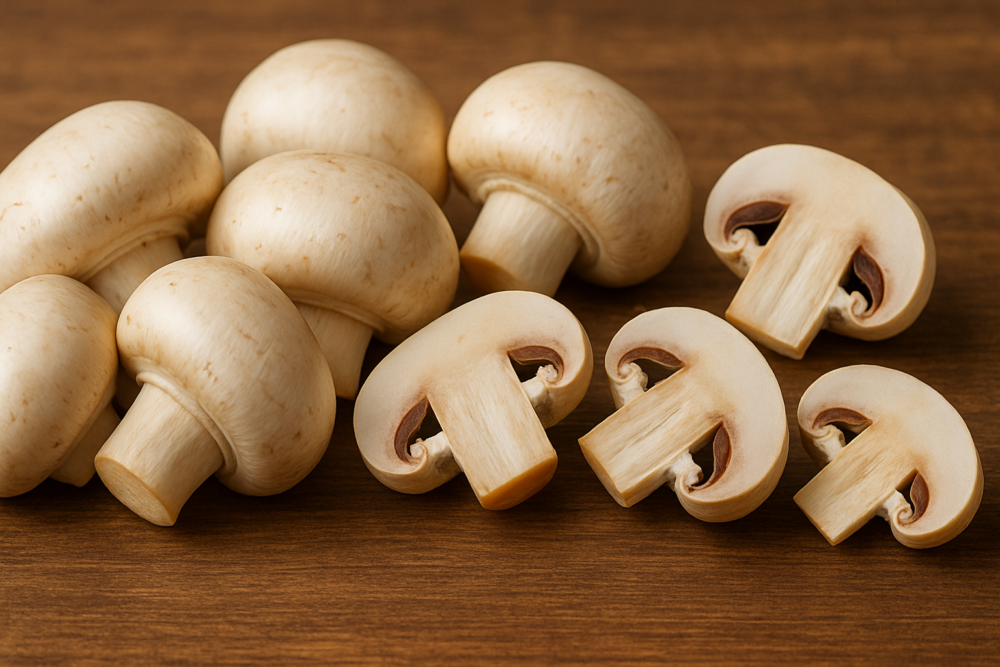
Speaking of mushrooms, even common white button mushrooms have protective effects against breast cancer. Many of the white button mushrooms in the US come from Pennsylvania, where mushroom farming started a long time ago. These mushrooms contain conjugated linoleic acid, which stops an enzyme that turns androgens into estrogens, helping to reduce hormone-driven cancers. Plus, they have selenium, ergothioneine, and B vitamins, all of which help protect against DNA damage from oxidative stress. There are so many foods that can help repair our DNA, reduce inflammation, and nourish our bodies.
➡️10. Beans
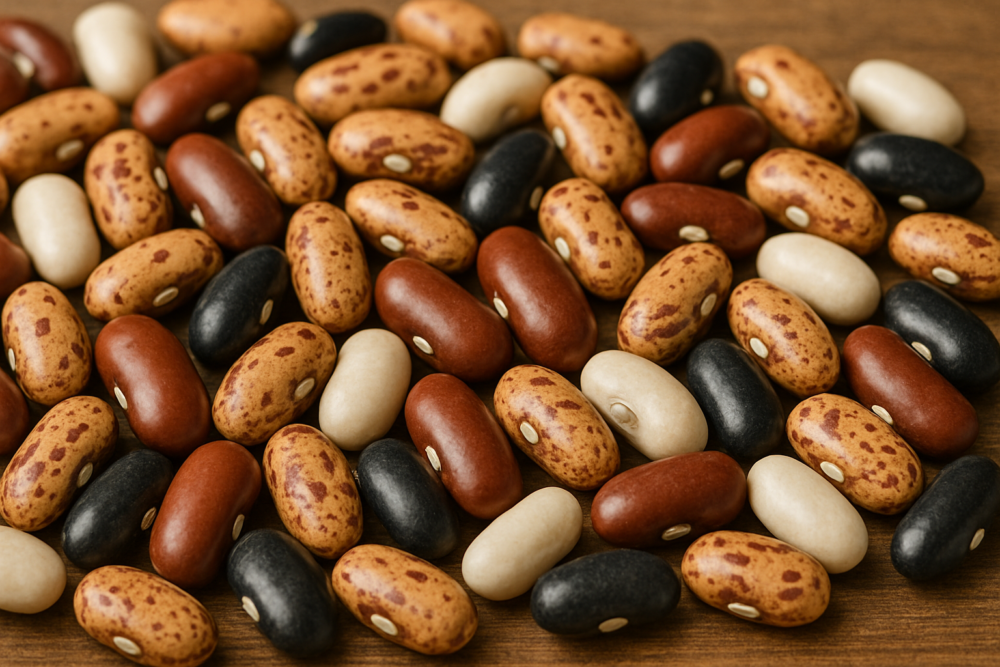
Perhaps the best value for your health, and for your gut, are beans. It’s strange that some people try to make beans out to be bad, even though they are one of the most sustainable foods. Beans have something called phytates (or phytic acid), which are found in seeds, grains, and nuts. Phytates store phosphorus for plants. Some people worry about phytates because they can bind to minerals like calcium, iron, zinc, and magnesium, potentially reducing their absorption. However, phytates also have good qualities, especially when it comes to chronic diseases like cancer.
Research suggests that phytates can stop cancer cells from growing, cause them to die, and reduce the spread of certain cancers, like colon, breast, and prostate cancer. Phytates can also slow down how quickly your body digests carbohydrates, which helps control blood sugar. Some studies even suggest phytates might help prevent kidney stones by reducing calcium crystallization. If beans were so bad, how would civilizations have survived eating them for thousands of years? They are clearly more nutritious than harmful. Beans are a staple food around the world, and ancient cultures even called them one of the “three sisters” along with corn and squash.
However, it’s true that high levels of phytic acid can reduce mineral absorption. If you’re worried about getting enough zinc, for example, you can reduce the phytate levels in beans easily:
- Sprout them: Sprouting beans before cooking reduces phytic acid and increases other nutrients.
- Soak them: Soaking beans in water for 12 to 24 hours before cooking activates enzymes that break down phytic acid. Adding lemon juice or vinegar to the soaking water can help even more, though it might make the beans a bit sour.
- Ferment them: Fermenting beans, like in tempeh, significantly reduces phytic acid and adds good probiotics.
- Cook them properly: Soaking, sprouting, and then cooking your beans properly reduces remaining phytates and other anti-nutrients like lectins.
By including these foods in your diet, you’re giving your body a powerful defense against DNA damage and supporting your overall health. It’s about making smart choices every day to build a stronger, healthier you.
Source: Dr. Liu Jia-Yia