
Ever wondered if reading in dim light will ruin your eyes or if eating tons of carrots will give you superhero vision? Eye health myths are everywhere, and let’s face it, you’ve probably believed a few of them yourself! Today, let’s clear up the confusion around the top 10 most common myths about your eyes. Whether you’re reading for yourself, your kids, or just want to be able to call out your parents on some old-school advice, this one’s for you. (Based on the insights of ophthalmologist Dr. Raj Bindlish)
Key Takeaways:
- Most beliefs about what damages your eyes are exaggerated—or plain false.
- Routine eye care is essential, even if you think your vision is perfect.
- Small lifestyle changes (like wearing sunglasses and not rubbing your eyes) can pay off in the long run.
Let’s dive into the truth about what really affects your eye health—myth-busting style!
1. Reading in Dim Light Will Ruin Your Eyes
You may have heard (or even said yourself) that reading in low light can damage your eyes. The truth? It’s not harmful. While reading in dim light may make your eyes work harder and can tire them out, it won’t cause permanent damage. You’ll be more comfortable reading under brighter light, but feel free to cozy up with a book in a dim corner without fear!
2. Sitting Too Close to the TV is Dangerous for Your Eyes
Remember when your parents yelled at you for sitting too close to the TV? With modern flat-screen TVs, there’s actually no risk of damaging your eyesight. In the past, some old-style TVs emitted more radiation, which prompted the warning. Now, sitting close might make your eyes feel dry or strained, but rest assured your eyes are safe.
3. Carrots Are the Best Food for Eye Health
Carrots are rich in beta carotene, which is important for eye health, but they aren’t a magic food. Other vegetables—especially leafy greens like spinach and kale—are equally good, if not better. A well-balanced diet that includes a variety of fruits and vegetables is best for keeping your eyes healthy. And no, eating carrots won’t make you toss your glasses for good!
4. Wearing Glasses Makes Your Eyes Weaker
This common concern has no scientific backing. Wearing glasses doesn’t make your natural eyesight worse. As you age, your vision may continue to change, but that would have happened with or without glasses. In kids, there’s a bit more complexity, but for adults, this myth is definitively busted.
5. Only People with Vision Problems Need Eye Exams
Even if your vision is 20/20, regular eye exams are crucial. Many serious eye issues, such as glaucoma or macular degeneration, can develop without obvious symptoms. Routine exams can catch problems early, protecting your vision in the long run. Aim for a check-up every two to three years, or more often if you have a family history of eye disease.
6. Eye Exercises Will Improve Your Eyesight
You might have encountered programs claiming that exercises like rolling your eyes or focusing on a pencil can improve your vision. The reality? While some specific exercises can help with certain eye conditions (like an eye that tends to turn outward), they won’t change whether you need glasses or not. Don’t expect “eye yoga” to replace your prescription lenses!
7. Screen Time Permanently Damages Your Eyes
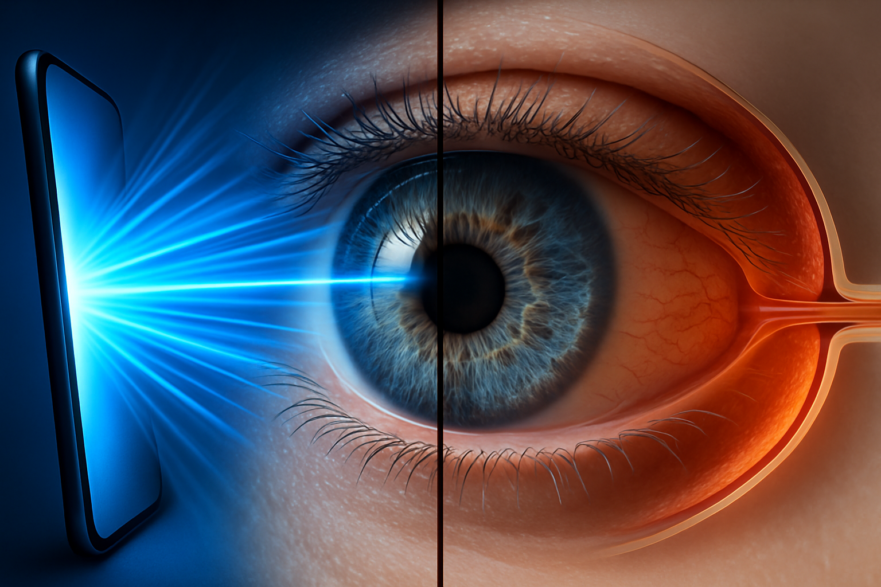
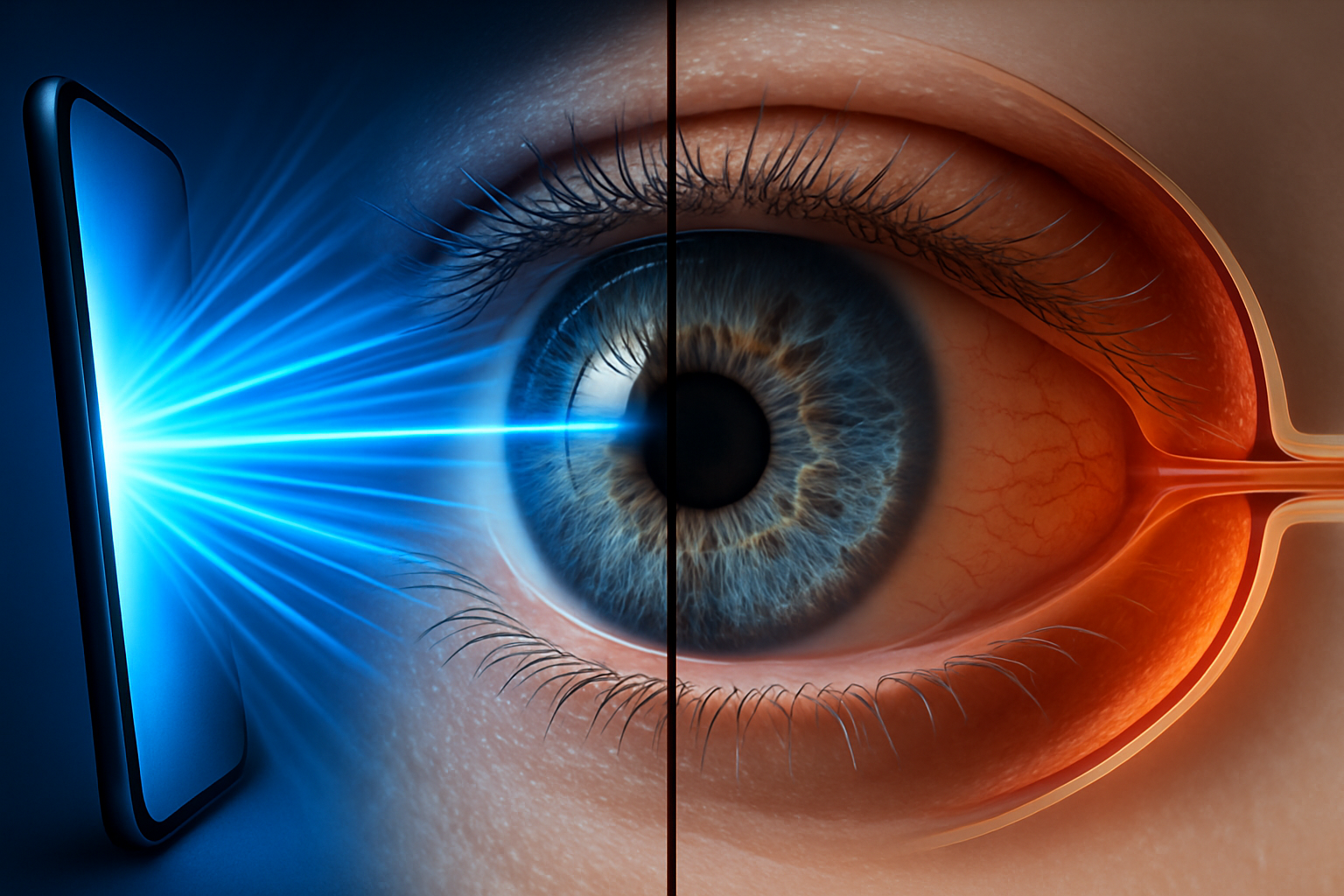
In our screen-filled world, this myth sounds plausible—but it’s not accurate. There’s no strong evidence that screen use permanently damages your eyes. Screens can cause temporary eye strain and dryness because you tend to blink less, but so far, the long-term effect on eye health is minimal. Follow the 20-20-20 rule: every 20 minutes, look at something 20 feet away for 20 seconds to help reduce discomfort.
8. You Don’t Need Sunglasses Unless It’s Sunny
Sunglasses are not just for style or bright days on the beach. They’re important for protecting your eyes from harmful UV light, which can damage your eyes even on cloudy days. UV exposure is linked to cataracts and macular degeneration, so wear sunglasses (or glasses with UV protection) whenever you’re outside—regardless of cloud cover.
9. Rubbing Your Eyes is Totally Harmless
It might feel good, especially when you’re tired or your eyes itch, but rubbing your eyes can actually cause problems. You risk putting pressure on your eyeball, which can lead to complications like keratoconus (a thinning of the cornea), subconjunctival hemorrhage, or even displacing a LASIK flap if you’ve had eye surgery. Instead of rubbing, try using lubricating drops or allergy medications if your eyes are dry or itchy.
10. Vision Loss is a Normal Part of Aging
While it’s true that your eyes change as you get older—just like your hair, skin, and bones—profound vision loss is not inevitable or a “normal” part of aging. Many serious eye conditions are treatable or preventable with early detection and care. Don’t assume that poor vision must simply be endured as you age. Get regular exams and speak up if your eyesight changes.
Conclusion
You are in charge of your eye health! Don’t let myths and misconceptions steer you wrong—protect your eyes like any other important part of your body. Schedule regular check-ups, eat a healthy diet, wear your sunglasses, and handle your eyes gently. And if you’ve been nagging your kids, your parents, or yourself with some of these eye health myths, now you can set the record straight! Remember: Your vision is precious, and a few smart habits today can keep your future looking bright (and clear).
Source: Dr. Raj Bindlish