
Ever noticed how walking just feels tougher as you get older? If you’re over 60 and finds that simple strolls aren’t as breezy as they used to be—you’re not alone, and it’s not just “getting old.” In fact, the reasons might surprise you, and you can actually do something about it starting today.
Walking is one of the most basic forms of movement we do every day. But did you know that how fast you walk can predict how long you’ll live—even more than your medical conditions? If that grabbed your attention, read on. We’re diving into why walking slows down after 60 and, more importantly, simple exercises you can do now to put that spring back in your step!
Key Takeaways
- Slower walking after 60 is a major health warning sign—not just a nuisance.
- Weakened calf muscles are a leading reason people take shorter, slower steps as they age.
- Simple exercises can rebuild your calf strength and boost your walking speed.
- Just a couple of weeks of targeted exercise can make a big difference.
- Staying active is key to independence and longevity!
1. Walking Speed Drops Off After 60: It’s Not Just Aging
More than 1 in 4 women and 1 in 6 men over 60 lose walking speed, and for many, it gets noticeably worse after 70. While it seems like a normal part of aging, research reveals that declining walking speed is a much bigger deal. In fact, it predicts your risk for health problems and even how long you’re likely to live. People who keep up a brisk pace at 75 are much more likely to live at least another 5 to 10 years compared to their slow-walking peers.
2. The Surprising Culprit: Weak Calf Muscles
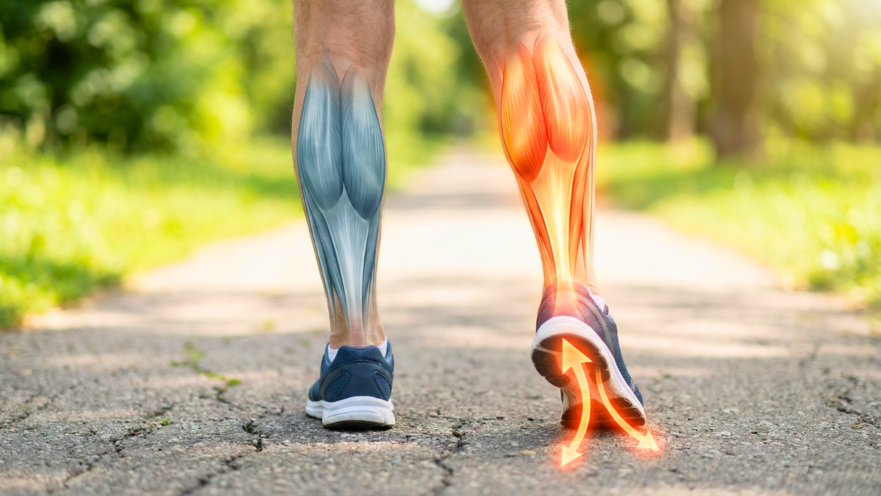
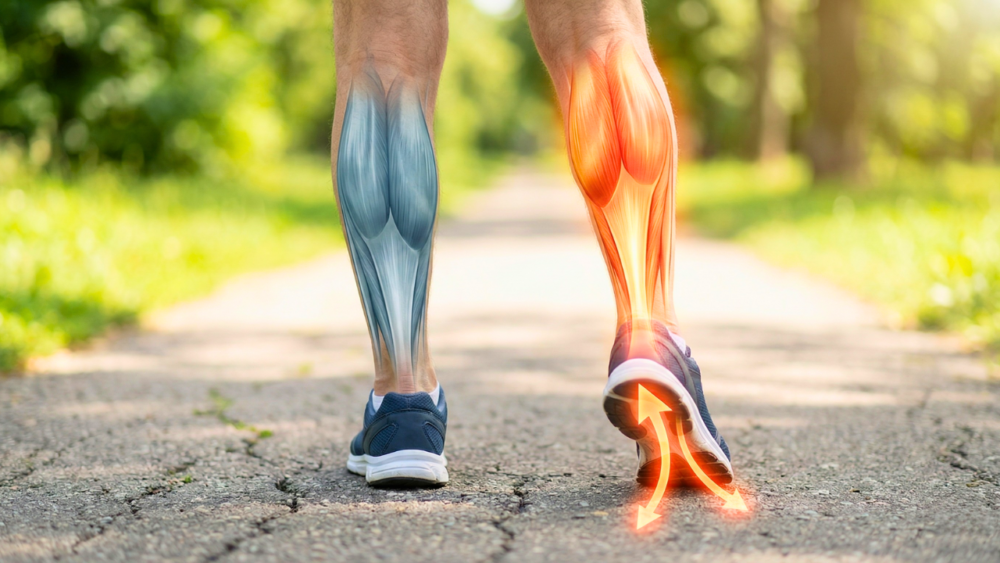
So why do we slow down? It’s not just about getting tired or winded; the real culprit is often your calf muscles! Calf muscles act like engines that power every step you take. With age, they lose strength, making each step feel like more work. Studies show that older adults use up to 16% more energy just to walk at the same speed as younger people—mainly because of weaker calf muscles.
3. Shorter Steps Explain Why Walking Feels Harder
Walking slower isn’t just about moving less quickly—older adults generally take shorter steps. Those powerful pushes from your calves get weaker, so you cut each stride short. The shorter your steps, the slower your overall speed, and the harder walking feels.
4. Spot the Signs Early
Here’s the sneaky part: because walking speed drops off gradually, many people don’t notice until they’re truly struggling. By then, it can be tough to turn things around. That’s why it’s so important to pay attention as soon as you notice even a slight slowdown, or if it simply feels like walking zaps your energy more than it used to.
5. Simple Calf Exercises to Boost Your Steps
The good news? With the right exercises, you can revive those calf muscles—no gym or fancy equipment needed!
a. Seated Heel Raise (Beginner Warm-Up)
Sit in a chair with your feet flat on the floor and your forearms resting on your thighs. Push up onto your tiptoes, lifting your heels as high as possible, then slowly lower them. Repeat for 10–20 repetitions. This wakes up those calf muscles gently.
b. Standing Calf Raise (Classic Strengthener)
Stand behind a chair for support. Hold the back of the chair, stand tall, and push up onto your tiptoes, then lower back down. Aim for 10–20 controlled repetitions. This gets your calves working throughout their range of motion.
c. Slow Tempo Heel Raise on a Step (Strength & Stretch)
Find a sturdy step or staircase. Place the balls of your feet on the edge and let your heels hang down. Rise up onto your tiptoes, then slowly lower down over four seconds to feel a stretch in your calves at the bottom. To make it harder, add some weight (like a backpack) or, as you rise up, take one foot away and come down on just one leg. Repeat 10–20 times, adjusting for effort.
d. Single Leg Donkey Calf Raise (The Ultimate Calf Builder)
Lean your forearms on a sturdy chair, with something soft like a towel under them. Walk your feet back so your body is bent forward. Lift one foot off the ground and keep your knee straight. Pump up onto your tiptoe and back down with the supporting leg. Repeat 10–20 reps, then switch sides. The special angle really helps target the precise muscles you use in walking.
6. Progress at Your Own Pace
Don’t worry if some of the advanced moves feel too tough at first. Stick with the easier versions and work your way up. If any exercise causes pain, skip that one. These routines can be done two to three times per week for the best results. Even one or two sessions weekly can make a noticeable difference in a couple of weeks.
7. Flexibility Matters Too
Rebuilding strength isn’t the whole story—you need flexibility in your calves, too. Tight muscles can limit your stride and even set you up for injuries. Spend a few minutes after your calf routine stretching your lower legs: gently press your toes against a wall or step and lean forward to stretch out those calves.
8. Stay Consistent for Life-Changing Results
Consistency is key! The older we get, the faster muscles decline if we ignore them. But, if you get into the routine of strengthening and stretching, you’ll be more mobile, energetic, and independent for many years to come.
9. The Payoff: Longer, Healthier Life
Speedier, easier walking isn’t just about keeping up with family or friends. Quick walkers live longer, and it’s never too late to improve! Your daily walk can become a joy again, and your risk for a host of health problems will decrease.
Walking might never have seemed like such a big deal, but after 60, a strong stride can change everything. Don’t settle for slowing down! With just a bit of targeted exercise—focusing on those often-overlooked calf muscles—you can walk farther, faster, and enjoy a healthier, longer life. Lace up those sneakers and let’s get moving!
Source: Will Harlow