

9. Cauliflower
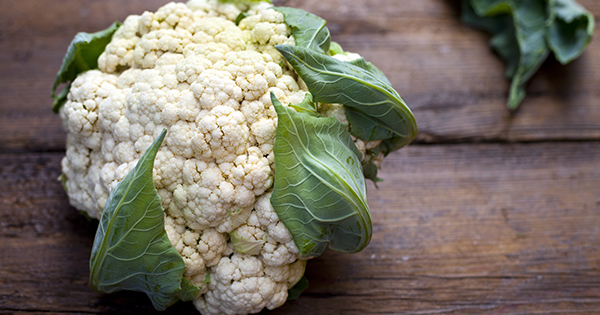
At 14 calories per ½ cup, cauliflower is one cruciferous vegetable you can’t miss. With just under half of your needed vitamin C, as well as a decent amount of vitamin K, and folate, this vegetable is sorely underappreciated (32).
Sulforaphane, found in cauliflower and other cruciferous vegetables, has been found to significantly improve blood pressure and kidney function. It also improves cellular function by supporting DNA methylation (33).
Cauliflower also contains choline, which prevents toxin-induced brain damage during childhood and protects against age-related memory decline (34).
10. Kale
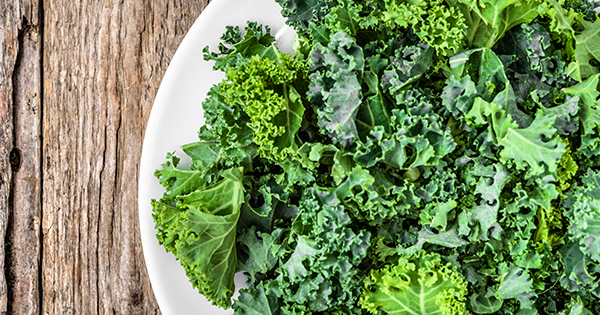
Kale contains 33 calories a cup as well as 684% of your daily value of vitamin K (35).
Deficiency of this vitamin contributes towards bone fractures, since vitamin K plays a crucial role in calcium absorption.
Also high in vitamin A, kale supports proper growth, sebum production, immune function, sight, and reproductive function (36).
11. Carrots
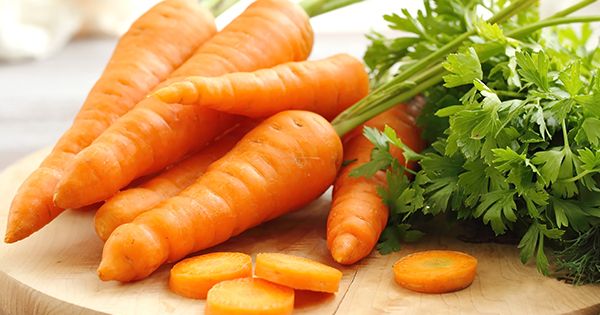
1 large carrot only contains 30 calories and more than 200% daily value of vitamin A (37).
This member of the parsley family lowers your risk of coronary heart disease by 32% and lowers the risk of heart attack in women (38,39).
Plus, the beta-carotene in carrots lowers your risk of colon cancer and reverses leukemia (40,41).
12. Broccoli

½ cup broccoli is only 27 calories, but that’s not all! The vegetable has more than your daily value of vitamin K and almost your daily value of vitamin C. Plus, it has ¼ of your daily value of vitamin A and folate (42).
Folate decreases breast cancer risk in women as well as colon, stomach, pancreatic and cervical cancers. That’s because the vitamin wards against DNA and RNA mutations (43).
The fiber in broccoli, on the other hand, lowers your risk of developing coronary heart disease, stroke, hypertension, diabetes, obesity, and certain gastrointestinal diseases (44).
It also lowers blood pressure, improves cholesterol levels, boosts insulin sensitivity, and supports weight loss.
13. Asparagus
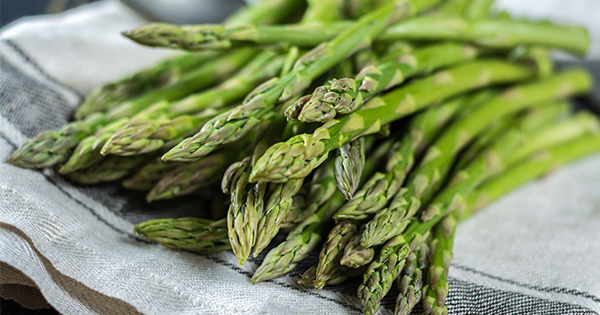
At 32 calories a cup, asparagus is deliciously low-calorie. It even contains selenium, a highly-sought after mineral (45).
Asparagus contains asparagine, an amino acid with diuretic properties. It contributes towards asparagus’ ability to treat urinary tract infections as well as kidney and bladder problems. Other uses for asparagus include treating joint pain (rheumatism), hormone imbalances in women, dryness in the lungs and throat, constipation, nerve pain (neuritis), AIDS, cancer, and diseases caused by parasites (46).
14. Watermelon

At 46 calories a cup, watermelon is a great diet snack. The fruit, related to cucumbers, pumpkins, and squash, contains lycopene. This heart-healthy carotenoid antioxidant is typically found associated with tomatoes (47).
Watermelon has plenty of uses, from preventing post-exercise muscle soreness to preventing stroke, protecting against ovarian cancer and reducing brain tumor growth and suppressing cancerous breast growths (48,49,50,51).
By increasing your intake of these low calorie foods, you won’t have to compromise satiety and satisfaction during your diet. Eat up!