6. Vitamin C
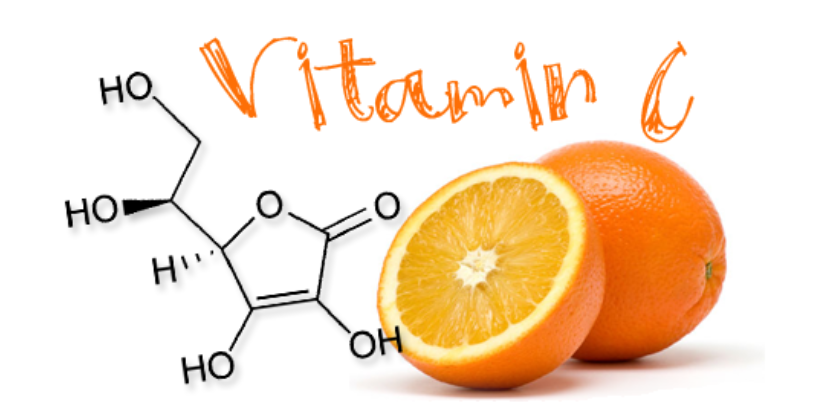
Everyone knows it – but not everyone actually pays attention to it. Most people supplement with vitamin C tablets, but vitamin C is readily bioavailable in lots of foods, including oranges, spinach, broccoli, pomegranates, and tomatoes.
“A large number of trials… document that adequate intakes of vitamin C and zinc ameliorate symptoms and shorten the duration of respiratory tract infections including the common cold,” one review states(8). “Furthermore, vitamin C and zinc reduce the incidence and improve the outcome of pneumonia, malaria, and diarrhea infections.”
7. Ginger
“The health-promoting perspective of ginger is attributed to its rich phytochemistry,” one study says(9).
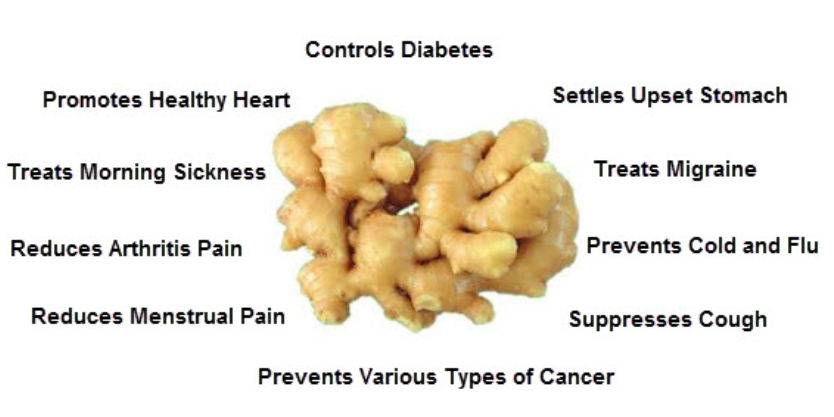
“Ginger has staring[sic] potential for treating a number of ailments including degenerative disorders (arthritis and rheumatism), digestive health (indigestion, constipation and ulcer), cardiovascular disorders (atherosclerosis and hypertension), vomiting, diabetes mellitus, and cancer.”
Most of the health effects of ginger come down to its anti-inflammatory and anti-oxidant effects, but it can also act as an immune system booster as well.
Building A Better Immune System Through Diet
The effects of diet on the immune system are real.
“Nutrient status is an important factor contributing to immune competence: undernutrition impairs the immune system, suppressing immune functions that are fundamental to host protection,” one paper explains(10).
So if you’re not getting the right foods, your immune system could be compromised. But if you take the time to learn about the effects that various foods can have on your body, you could be on your way to a more functional immune system – which means a lot less down time.