

3. B Vitamins

The B-vitamin family is a group of water-soluble vitamins that are critical for everything from energy metabolism to nerve function. When it comes to your heart, three of them—Vitamin B6, Vitamin B12, and folate (B9)—form a powerful team. Their primary mission is to control levels of an amino acid in your blood called homocysteine. High levels of homocysteine are a significant, independent risk factor for heart disease. This compound can damage the endothelial lining of your arteries, promoting inflammation and creating the perfect environment for plaque to form. Vitamins B6, B12, and folate work together in a metabolic pathway to break down homocysteine, converting it into harmless substances and thereby protecting your arteries from its damaging effects.
Additionally, other B vitamins, like B1 (thiamine), have been shown to help repair blood vessel function and slow the development of artery damage. You can find B vitamins in a variety of foods, including meat, fish, poultry, eggs, and dairy products. Leafy green vegetables are a great source of folate. However, Vitamin B12 is a special case. It is almost exclusively found in animal products. This means that vegetarians and vegans are at a high risk of deficiency and may need to consciously include B12-fortified foods like plant milks and cereals or take a supplement. There is one interesting non-animal source: certain varieties of mushrooms naturally contain B12, making them an excellent food for those on a plant-based diet.
2. Vitamin E
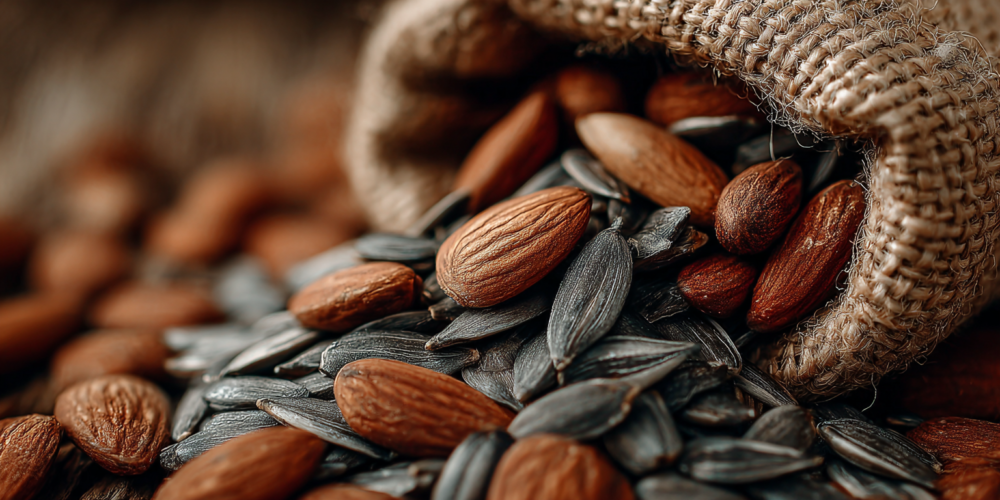
Vitamin E is a potent, fat-soluble antioxidant that plays a crucial protective role in your cardiovascular system. Its main benefit comes from its ability to prevent the oxidation of low-density lipoprotein, or LDL cholesterol. You’ve likely heard of LDL as the “bad” cholesterol, but it only becomes truly dangerous when it is oxidized by free radicals. Oxidized LDL is a key trigger in the development of atherosclerosis. It initiates an inflammatory response in the artery wall, leading directly to the formation of the fatty streaks that grow into hardened calcium plaques. By neutralizing free radicals, Vitamin E acts as a shield, protecting LDL cholesterol from this oxidative damage. This, in turn, helps to maintain a smooth and healthy endothelial lining and reduces the risk of plaque buildup.
Beyond protecting your cholesterol, Vitamin E is also vital for your vision, skin health, and cognitive function as you age. The good news is that Vitamin E is found in a wide variety of common and healthy plant-based foods. You don’t need to worry too much about deficiency as long as you are eating a balanced diet. Particularly rich sources include nuts and seeds (especially almonds and sunflower seeds), avocados, leafy greens like spinach and beet greens, red bell peppers, pumpkin, asparagus, and mangoes. By incorporating a colorful variety of these plant foods into your meals, you’ll be ensuring you have plenty of this protective antioxidant on board to defend your arteries.
1. Magnesium

Magnesium is a true workhorse mineral. It’s involved in over 300 enzymatic reactions in your body and is the fourth most abundant mineral you have. Its importance for heart health cannot be overstated. One of its key functions is to help relax the smooth muscle cells within the walls of your blood vessels. This relaxation helps to lower high blood pressure, reducing the constant stress and pressure on your arteries that can lead to damage. In fact, one study published in the Journal of the American College of Cardiology found that for every 50-milligram increase in daily magnesium intake, there was a 22% reduction in coronary artery calcification. This shows a direct, measurable effect of magnesium on preventing plaque buildup.
Unfortunately, magnesium deficiency is incredibly common, with estimates suggesting that nearly half of the adult population in the United States doesn’t get the recommended daily amount. This is a major public health concern given its critical role in preventing heart disease. To boost your intake, focus on whole foods. Excellent sources include leafy green vegetables, nuts (like almonds and cashews), seeds (pumpkin and chia seeds are fantastic), avocados, legumes (beans and lentils), and even fatty fish like salmon. Making sure you get enough of this essential mineral is a simple yet powerful step you can take to keep your heart and arteries happy and healthy.
Conclusion
In conclusion, protecting your heart from the dangers of arterial plaque is not a passive process. It’s an active one that you can influence every single day with the foods you choose to eat. As we’ve seen, Vitamin K2, Vitamin D, potassium, B vitamins, Vitamin E, and magnesium are not just letters and names; they are powerful tools provided by nature to keep your cardiovascular system running smoothly. They work together to manage calcium, reduce inflammation, lower blood pressure, and protect your arteries from the damage that leads to plaque. By focusing on a diet rich in leafy greens, colorful vegetables, healthy fats from nuts, seeds, and fish, and considering fermented foods, you are giving your body the essential building blocks it needs for a long and healthy life. Take this knowledge and empower yourself to make heart-healthy choices a delicious and regular part of your routine.