


Have you ever felt that nagging ache in your elbow, a persistent stiffness in your knee, or a twinge in your shoulder that just won’t go away? You might think it’s just a muscle issue, but often, the real culprit is hiding in plain sight: your tendons and ligaments. The truth is, your muscles are only as strong as the connective tissues that anchor them. If your tendons and ligaments are weak, your performance will suffer, and your risk of injury will skyrocket. The problem is that these issues creep up on you slowly, starting as minor discomfort and evolving into a full-blown, chronic problem that can take forever to heal.
Tendons, which connect your muscles to your bones, and ligaments, which connect bone to bone, are the ropes and cables of your body. They provide stability and transmit the force that allows you to move. Unlike muscles, which have a rich blood supply, tendons and ligaments receive very little blood flow. This means they get nutrients and oxygen much more slowly, making them notoriously slow to heal. But here’s the good news: you have a tremendous amount of control over the health of these vital tissues. By focusing on the right nutrition, targeted supplements, and smart lifestyle choices, you can build incredibly resilient tendons and ligaments. Your body is ready to respond, and you’ll be surprised at how quickly you can feel a difference once you give it the right building blocks. (Based on the insights of Felix Harder)
Key Takeaways
- Collagen is King: Your tendons and ligaments are made primarily of collagen. To support them, you need to consume the specific amino acids (glycine and proline) found in collagen-rich foods and supplements.
- Nutrition is Foundational: A diet rich in specific proteins, vitamin C, and key minerals like copper, manganese, and zinc provides the essential raw materials for building and repairing connective tissue.
- Supplements Can Supercharge Repair: Targeted supplements like collagen peptides, gelatin, vitamin C, and sulfur (MSM) can provide a concentrated dose of the nutrients your tendons need to heal and strengthen.
- Don’t Forget to Load: Nutrition alone isn’t enough. Your tendons and ligaments need the mechanical stress from exercise (like isometrics, eccentrics, and strength training) to signal them to remodel and get stronger.
- Lifestyle Matters: Reducing chronic inflammation through diet, prioritizing sleep, and managing stress are crucial for creating an internal environment that promotes healing rather than breakdown.
1. Understanding What Your Tendons Are Made Of
Before we dive into the protocol, it’s important to understand what your tendons and ligaments are actually made of. This basic knowledge will make all the recommendations that follow click into place. Think of your connective tissues as incredibly strong ropes. About 70-80% of their dry weight is a protein called collagen—specifically, type I collagen. This is the main structural protein that gives your tissues their stiffness and strength, allowing them to handle immense force and keep your joints stable.
To produce this vital collagen, your body requires very specific raw materials. The most important are the amino acids glycine, proline, and hydroxyproline. Here’s the catch: these amino acids are not abundant in the typical muscle meat we eat, like chicken breast or steak. This is why you can eat a high-protein diet and still be deficient in the exact building blocks your tendons are starving for. But amino acids aren’t the whole story. Your body also needs a crucial partner: vitamin C. Vitamin C is essential for a process called collagen cross-linking, which helps bind the collagen fibers together to make them strong and durable. Without enough vitamin C, the collagen your body produces is weak and fragile. Furthermore, certain minerals like copper and manganese are required to activate enzymes that stabilize these collagen fibers, creating strong bonds within the tissue. If you’re low in these minerals, your tendons become more prone to injury.
2. The Foundational Diet for Healthy Connective Tissue
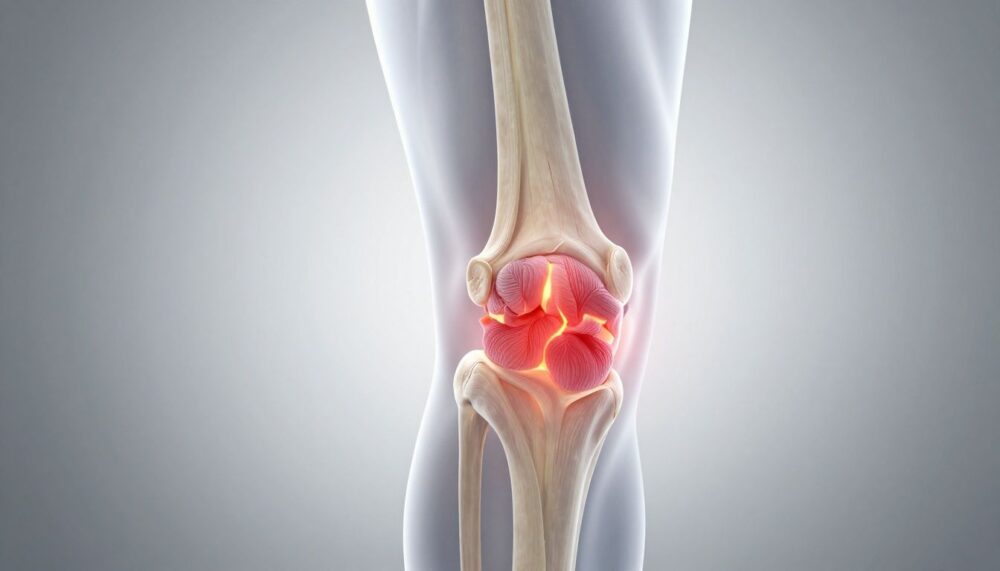
Supplements are a fantastic tool, but they can’t replace a solid nutritional foundation. Your daily food choices are the first and most important step toward building healthier tendons and ligaments. Here are the core principles to focus on.
- Prioritize Collagen-Rich Protein: As we’ve discussed, not all protein is created equal for connective tissue health. While chicken, beef, and eggs are great for your muscles, they don’t supply the high amounts of glycine and proline your tendons crave. Your muscles will always get first dibs on the amino acids from your diet, leaving your tendons with the leftovers—which often isn’t enough. To fix this, you need to incorporate collagen-rich foods. These directly supply the amino acids your tendons are made of. Excellent sources include bone broth, chicken skin, oxtail, beef tendon, gelatin, and slow-cooked cuts of meat that contain cartilage and connective tissue. These foods not only provide the right amino acids but also contain small peptides that your body can use directly to support collagen production.
- Load Up on Vitamin C: Vitamin C is a non-negotiable for collagen synthesis. Your body literally cannot assemble collagen fibers correctly without it. Even a mild, low-grade deficiency can weaken your connective tissue over time. The best part is that you don’t need massive doses. Small, consistent daily intake goes a long way. Aim to include foods like citrus fruits, berries, kiwi, bell peppers, and leafy greens in your daily diet. Since your body doesn’t store vitamin C well, consistency is key. For an extra boost, try to consume your vitamin C-rich foods alongside your collagen-rich meals or supplements to enhance the conversion of those amino acids into new, strong tendon tissue.
- Don’t Forget Key Minerals: Your connective tissue relies on several key minerals to function optimally. Copper activates an enzyme that helps cross-link collagen and elastin, making the tissue strong yet flexible. You can find copper in foods like liver, seafood, nuts, and seeds. Manganese is also required for enzymes that help build the collagen matrix. It’s found in whole grains, nuts, seeds, and leafy greens. Zinc is another crucial player, as it supports tissue repair and helps balance copper levels. Too much copper can become toxic, so maintaining this balance is important. Finally, magnesium is essential for energy production within your tendon cells and helps regulate inflammation. Most people are deficient in magnesium, so focusing on magnesium-rich foods or considering a supplement is a wise move.
3. Powerful Supplements to Boost Tendon Repair
Once your diet is on point, you can use supplements to provide a more targeted and potent dose of key nutrients. These are well-researched, easy to use, and can make a real difference in your recovery and resilience.
- Collagen Peptides: This is arguably the most effective supplement for tendon and ligament health. Collagen peptides are simply collagen proteins that have been broken down into smaller, easily absorbable units. Numerous studies show that taking collagen peptides, especially before training, increases collagen synthesis directly in the tendons. The ideal dose can range from 5 to 15 grams per day. While some suggest taking it 30-60 minutes before exercise to time the amino acid peak with tendon loading, the most important factor is consistency. Take it whenever works best for you, but take it daily.
- Gelatin: Gelatin works very similarly to collagen peptides, though its amino acid profile is slightly different. Some studies have used gelatin with vitamin C and found it to be highly effective. For example, one study showed that 15 grams of gelatin taken with vitamin C before a workout doubled collagen synthesis. Gelatin forms a gel in cold water, so it’s best mixed into hot liquids or used in recipes.
- Sulfur (MSM & NAC): Sulfur is an underrated but critical nutrient for connective tissue. Your body uses it to create strong chemical bonds within collagen fibers, giving them strength and elasticity. The most common sulfur supplements are MSM (methylsulfonylmethane) and NAC (N-acetylcysteine). MSM is well-known for its ability to improve joint comfort and reduce inflammation, while NAC also provides a source of sulfur. These can be particularly helpful for providing a targeted dose that’s hard to get from diet alone.
- Glucosamine and Chondroitin: While often discussed in the context of cartilage and arthritis, these supplements also benefit tendons and ligaments. Glucosamine helps build molecules that cushion joints, while chondroitin improves tissue hydration and can reduce inflammation. They work slowly, over several weeks or months, but can be a valuable part of a long-term strategy for tissue support, especially if you deal with chronic joint pain.
4. Lifestyle Factors You Can’t Ignore
Even with the perfect diet and supplement plan, other lifestyle factors can either support or sabotage your progress. To fully support your tendons and ligaments, you need to pay attention to the bigger picture.
- Reduce Chronic Inflammation: Chronic, low-grade inflammation is a silent killer for your tendons. It weakens collagen fibers, slows down repair, and increases pain. This type of inflammation builds up over time from a poor diet (high in sugar, processed oils, and alcohol), lack of sleep, and high stress. An anti-inflammatory diet rich in omega-3 fatty acids, berries, turmeric, and leafy greens can make a huge difference. Since most tissue repair happens while you sleep, prioritizing 7-9 hours of quality sleep per night is non-negotiable.
- The Power of Mechanical Loading: This may be the most important point of all. Nutrition without load doesn’t work. Your tendons and ligaments need to be stressed to adapt and grow stronger. Without the signal from mechanical loading, all those nutrients have nowhere to go. Different types of training offer different benefits. Isometric holds (holding a position under tension) can reduce pain. Slow eccentric movements (the lowering phase of an exercise) are excellent for remodeling tissue. Heavy strength training helps build long-term tendon stiffness and strength. You don’t have to do everything, but you must incorporate some form of consistent, progressive loading into your routine.
Conclusion
Building strong, resilient tendons and ligaments isn’t about a single magic bullet. It’s about a holistic approach that gives your body the raw materials and the right signals it needs to repair and strengthen itself. By combining a collagen-rich diet with key supplements like vitamin C and sulfur, managing inflammation, and applying consistent training stress, you create the perfect environment for your connective tissues to thrive. When you get these basics right, you’ll find that your joints feel more stable, your recovery improves, and you become far less susceptible to the nagging injuries that hold you back.
Source: Felix Harder