

⚠️5. Eating Too Much Salt or Sodium

Pay close attention here because this is really bad for your kidneys, but table salt isn’t the main problem. The real enemy is hidden in ultra-processed foods. Most people eat too much salt without realizing it because it’s hidden in things like sauces, dressings, grated cheese, processed meats, salty crackers, factory-made bread, and frozen meals. This hidden salt has a very big negative impact on your kidneys and, over time, can cause kidney failure. In fact, too much salt is one of the main causes of kidney stone formation.
Also, there’s a common myth about salts like pink Himalayan or sea salt, which companies promote as healthier options. In reality, all these salts have a lot of sodium, so eating too much of them is just as bad. To protect your kidneys, the advice is to eat less than 5 grams of salt a day. That’s about a small teaspoon, or even less if your doctor has told you to. And remember, this amount includes all the salt you eat throughout the day, not just what you add to your food. So, cutting down on ultra-processed foods loaded with sodium and using other healthier seasonings instead of table salt, like ground bay leaves, cardamom, pepper, or turmeric, is a simple but very powerful way to take care of your kidney health.
⚠️4. Holding Your Pee

Don’t do it! Holding pee in your bladder creates a breeding ground for bacteria, which can travel up to your kidneys and cause very serious infections. Plus, this habit changes the structure of your bladder, leading to diverticula (small pouches) and incontinence, and messing up how it works. The same goes for your bowels: when you need to go, go! Don’t ignore the urge. Everything you do to take care of your gut health also makes your kidneys work better.
⚠️3. Using or Breathing in Toxic Stuff

One of the most well-known risks for kidney failure and kidney cancer is smoking, mainly because of harmful chemicals called nitrosamines in cigarette smoke. These are highly cancer-causing substances that can stay in your home’s air even after you put out the cigarette. But here’s a shocking fact: processed meats and sausages also have high levels of these substances. Just one sausage can have as many nitrosamines as four cigarettes. This might partly explain why we’re seeing more cases of kidney cancer in recent decades, even with less smoking. It’s super important to understand that what you eat directly affects your kidney health, and beyond tobacco, ultra-processed foods are a real danger.
⚠️2. Doing Kidney Cleanses or Detoxes
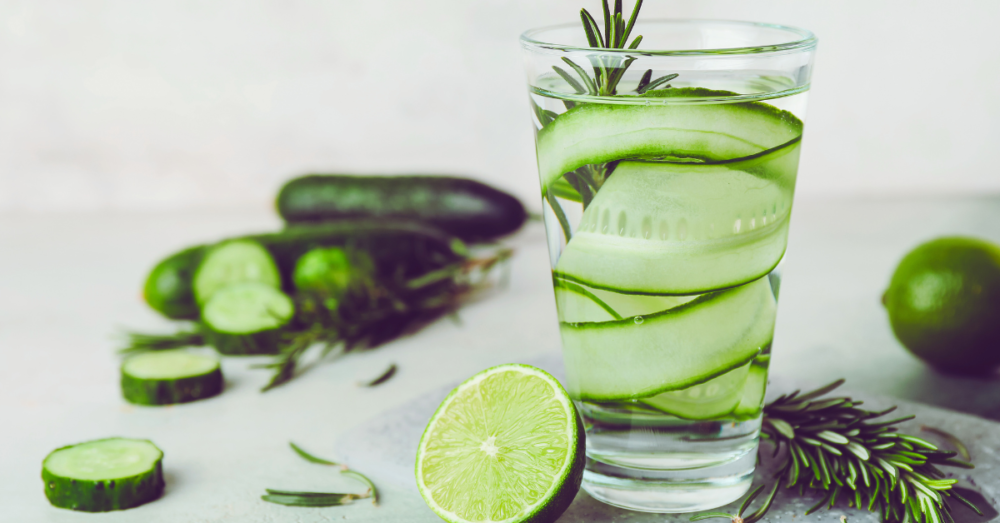
Be very careful with this because some people suggest diuretics, huge doses of vitamins, herbs, or laxatives to supposedly help get rid of toxins. But actually, our kidneys are designed to clean themselves through good habits and the water we drink. While some herbal teas can be helpful and improve kidney function when used correctly, like hibiscus, oregano, or turmeric, using too many natural diuretics like horsetail and dandelion can cause dangerous losses of minerals like potassium and magnesium, severe dehydration, and blood pressure problems.
In extreme cases, misusing these herbs or diuretic remedies can cause severe acute kidney failure. There are also people who promise to dissolve or break kidney stones using plants like chanca piedra, hydrangea root, or nettle. But these herbs can actually make kidney stones move around instead of breaking them up, which increases the risk of them getting stuck, causing severe kidney pain, or even leading to kidney failure.
⚠️1. Only Drinking Water When You’re Thirsty

Thirst is a late sign of not having enough water. Doing this is like only watering plants when they’re already wilting. So, the best thing is to drink water steadily throughout the day, up to 2 hours before bed. You can start your day by drinking one to two glasses of water or add half a squeezed lemon for extra potassium, magnesium, and vitamin C. And how much water should you drink a day? This depends on your weight and how active you are, but a simple way to figure it out is to multiply your weight by 30. The result is the amount of water in milliliters you should drink per day. For example, a person who weighs 75 kg should drink 2250 ml, or a bit more than 2 liters, a day. And if you exercise, always carry a half-liter stainless steel or glass bottle. Avoid using plastic, especially thin disposable plastics, because they release microplastics that build up in your organs, including your kidneys.
Source: Dr. RN Veller