

Here’s a truth most of us don’t want to think about: losing our energy and strength as we get older. You’ve probably seen it in your own family—people who become frail and lose their independence. But here’s the thing: aging does not mean you have to decline. You don’t have to accept fatigue, muscle weakness, and instability as your destiny. The power to stay strong, energetic, and active well into your 70s, 80s, and beyond is more within your control than you might think.
Forget the idea that getting older is a one-way street to weakness. Groundbreaking research reveals that you can directly influence your body’s aging process at a cellular level. By focusing on three key areas—powering up your cellular engines, preserving your muscle mass, and fighting off internal stress—you can fundamentally change how you age. This isn’t about wishful thinking; it’s about actionable, science-backed strategies that you can start using today. We’re going to dive into how to recharge your body’s batteries, why a specific healthy fat is crucial for your muscles, and which surprising fruit can help you combat fatigue from the inside out. (based on the expertise of Dr. William Li)
Key Takeaways
- Boost Your Cellular Energy with Urolithin A: Your body’s energy comes from mitochondria, which decline with age. A compound called Urolithin A, which your body can make from foods like pomegranates, walnuts, and berries, helps clear out old, faulty mitochondria, allowing new, powerful ones to take their place. This can lead to increased muscle strength and endurance.
- Maintain Muscle Mass with Omega-3s: After age 30, you naturally start losing muscle mass, which leads to weakness and instability. Omega-3 fatty acids, found in oily fish and certain plant-based foods, are scientifically shown to help increase muscle mass and strength, even in older adults.
- Fight Fatigue with SOD-Rich Foods: Chronic fatigue is often linked to oxidative stress—cellular damage from pollution, poor diet, and aging itself. Melons like cantaloupe and honeydew are rich in an antioxidant enzyme called Superoxide Dismutase (SOD), which acts like a fire extinguisher to put out this stress, boosting your body’s defenses and energy levels.
1. Recharge Your Cellular Batteries with Urolithin A
You might remember hearing about mitochondria in high school biology. Think of them as the tiny engines or batteries inside every single one of your cells. They are the powerhouses that generate all the energy your body relies on to move, think, and function. When you’re young, these mitochondrial batteries are fresh, holding and delivering a lot of power. But just like an old flashlight battery, they wear down as you age. They lose their charge, the light gets dim, and your energy starts to fade. When these old, inefficient mitochondria start to pile up, your body struggles to generate the energy it needs, leading to that all-too-common fatigue and muscle weakness.
This is where a remarkable natural substance called Urolithin A comes in. Your body can produce it, and its job is to perform cellular cleanup. Urolithin A helps your body identify and clear out all the old, broken-down, worn-out mitochondria. It’s like taking all the old, corroded batteries out of your flashlight and tossing them so you can put new ones in. By clearing away the old, you make room for new, healthy mitochondria to be generated, giving you more battery power, more energy, stronger muscles, and better endurance. This isn’t just a theory; it’s backed by impressive human studies.
Researchers at the Swiss Federal Institute of Technology conducted a randomized, placebo-controlled clinical trial with 66 sedentary, middle-aged adults (ages 40-64). They gave half the group a Urolithin A supplement and the other half a placebo for four months. The results were striking. The group taking Urolithin A saw their muscle strength increase by 12%, while the placebo group saw no change. Their walking endurance improved by 60 meters—that’s like walking the length of a 20-story building tipped on its side! Furthermore, their mitochondrial health improved by 22%, and levels of C-reactive protein (a key marker of body-wide inflammation) dropped by 16%. This shows that Urolithin A not only boosts energy but also has a powerful anti-inflammatory effect.
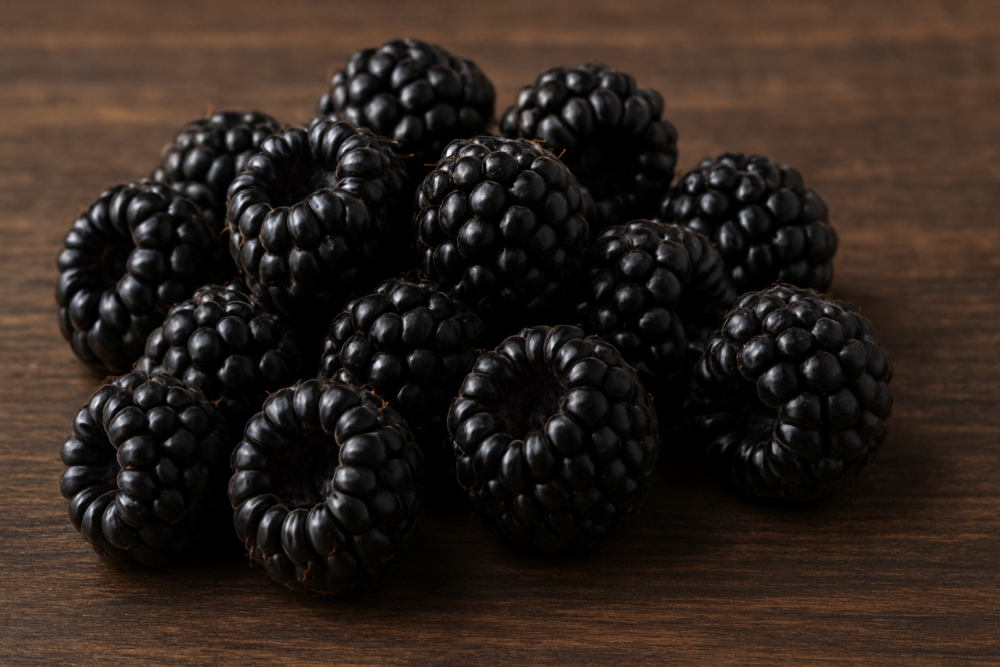
So, how can you get more Urolithin A? Your body makes it in your gut from foods containing natural compounds called ellagitannins and ellagic acid. The best sources are pomegranates, walnuts, raspberries, strawberries, and blackberries. By eating these foods, you provide your gut microbiome with the raw materials it needs to produce Urolithin A. You can sprinkle crushed walnuts on a salad, add pomegranate seeds to your yogurt, or simply have a bowl of mixed berries for breakfast. It’s a delicious way to feed your cells. While not everyone’s gut bacteria are equally efficient at this conversion, eating these foods is always beneficial for their fiber and other anti-inflammatory polyphenols.
2. Preserve Your Strength with Omega-3 Fatty Acids

One of the most serious challenges of aging is the gradual loss of muscle mass, a condition known as sarcopenia. Starting around age 30, most people begin to lose 3-8% of their muscle mass every decade. By the time you’re 50, you may have lost up to 20% of the muscle you had in your youth. This isn’t just about looks; loss of muscle means loss of strength. Loss of strength leads to imbalance, instability, and a much higher risk of falling. A fall can lead to a broken hip, a loss of independence, and a rapid decline in quality of life. Therefore, maintaining your muscle is critically important.
The good news is that you can fight back, and one of your best allies is omega-3 fatty acids. We often hear about omega-3s for heart and brain health, but new research shows they are incredibly beneficial for your muscles, too. These healthy fats are abundant in oily fish like salmon, mackerel, and sardines. You can also find them in other seafood like shrimp, crab, and clams. If you follow a plant-based diet, you can get the precursor to omega-3s (called ALA) from flax seeds, chia seeds, walnuts, and soybeans, which your body can then convert.
Researchers from Taipei Medical University analyzed data from 12 high-quality clinical trials involving over 2,000 adults aged 60 and older. They found a direct connection between omega-3 intake and muscle health. The people who consumed the most omega-3s had a 2% increase in muscle mass, a 4% increase in hand-grip strength, and a 5-6% better performance in the chair rise test (a key indicator of lower body strength and mobility). While these percentages might sound small, they are incredibly significant. Hand-grip strength isn’t just for opening jars; it’s a powerful predictor of your ability to walk without falling, climb stairs safely, and live independently. Every little bit of strength counts.
Omega-3s work in several ways to protect your muscles. First, they are potent anti-inflammatories. Chronic, low-grade inflammation makes your entire body feel weak and tired. By reducing this inflammation, omega-3s help you feel stronger overall. Second, they improve neuromuscular function—the connection between your nerves and muscles. Think of your nerves as the wiring that activates the muscle; omega-3s help make that signal stronger and more efficient. Finally, they actually turn on protein synthesis within the muscle itself, helping it to grow and repair. For an extra boost, combine omega-3s with resistance training. The synergy between the two is a powerful way to build and maintain your muscle mass for life.
3. Combat Stress and Fatigue with SOD-rich Foods: Melons

Sometimes the most powerful health solutions are found in the simplest of foods. Research from France has revealed something unexpected about a common fruit: melons. It turns out that cantaloupe, honeydew, and even watermelon can help your body fight fatigue and a specific type of internal damage called oxidative stress. Our bodies are constantly under assault from this stress, which comes from pollution, poor sleep, processed foods, and even the normal process of aging. Think of oxidative stress as tiny sparks going off inside your body, damaging your cells and chipping away at your energy.
French scientists discovered that certain melons are incredibly rich in an enzyme called Superoxide Dismutase (SOD). SOD is one of your body’s most powerful natural antioxidants. It acts like a fire extinguisher, putting out the flames of oxidative stress before they can cause significant damage. To test this, they conducted a double-blind, placebo-controlled trial where participants were given either a melon extract rich in SOD or a placebo every day for four weeks. The results were clear: the group taking the melon extract saw their own SOD activity increase by 18%. Their bodies’ antioxidant defenses were stronger, and as a result, the actual damage to proteins in their bodies went down by 10%.
Why does this matter for your energy levels? Because the constant wear and tear from oxidative stress is a major driver of fatigue and cellular aging. By boosting your SOD levels, you help your body neutralize these harms and protect your energy reserves. The next time you’re at the grocery store, don’t walk past the melons. A ripe cantaloupe or honeydew is a fantastic choice. They are not only packed with SOD activators but are also over 90% water, which is critical for fighting fatigue caused by dehydration. Plus, they are full of anti-inflammatory vitamin C. You can enjoy a few slices for breakfast or as a healthy dessert instead of cake or pie. Other foods that can boost your SOD activity include spinach, broccoli, and green tea.
The Takeaway: Aging is Not a Decline
Staying strong, vibrant, and energetic as you age isn’t just about lifting weights or accepting your fate. It’s about being proactive and understanding what’s happening inside your body. By focusing on your health at the cellular level, you can take back control. You can recharge your mitochondrial batteries with Urolithin A-promoting foods, you can build and maintain your crucial muscle mass with omega-3s, and you can protect your body from energy-sapping oxidative stress with SOD-rich melons.
You have the power to keep your muscles strong and your body youthful so you can remain active and independent for decades to come. Don’t let anyone tell you that getting frail is a necessary part of getting old. With the right knowledge and the right foods, it’s not.
Source: Dr. William Li