

➡️2. Turmeric
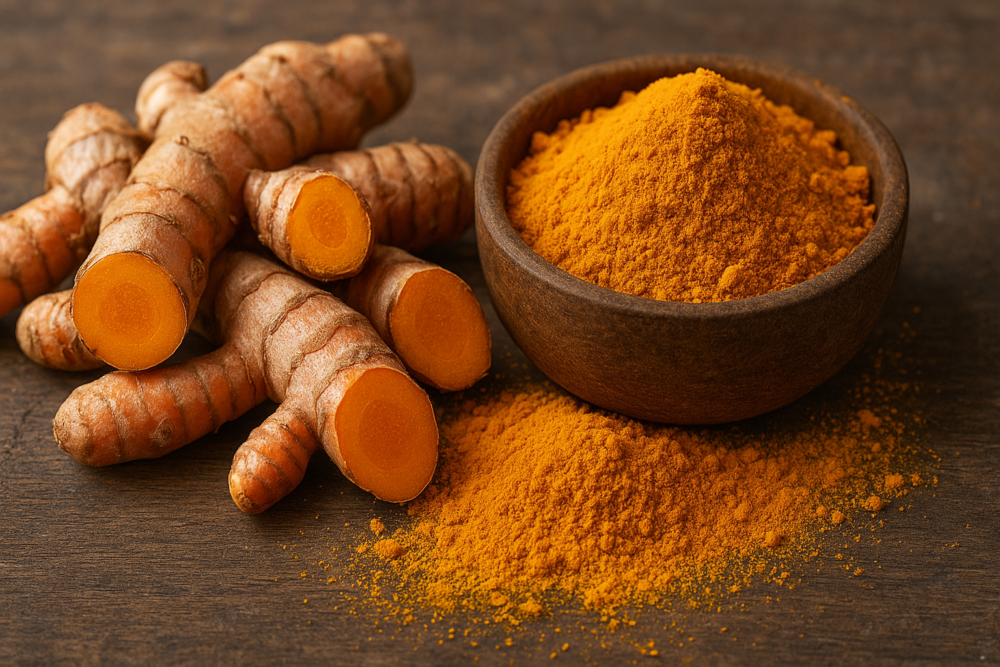
Next up is turmeric. This spice has been used for thousands of years in traditional medicine and cooking. It’s a great natural food coloring, much safer than artificial dyes like Yellow 5 and Yellow 6, which can have bad chemicals in them. It’s a shame that big food companies use these harmful dyes when natural options like turmeric exist. Just try spilling some on your shirt; you’ll see how well it colors!
Turmeric gives you curcumin, a powerful ingredient that helps calm down inflammation and can stop cancer cells from growing and spreading. It also helps cut off the blood supply to tumors. But turmeric has more than just curcumin; it has other good things like oils and water-soluble curcuminoids. There’s a story from Bangladesh where people were poisoned by arsenic in their water, and turmeric extract actually helped reverse the DNA damage. Turmeric might also help with mood, thinking, stomach problems, and joint pain. When used with cancer treatments, it can improve quality of life and help with inflammation from radiation.
People often talk about black pepper with turmeric because it’s said to increase absorption. But it’s not about absorption; it’s about piperine, a part of black pepper, which stops your liver from breaking down curcumin too quickly. This makes curcumin stay in your body longer, increasing its effects. However, stopping one liver enzyme can also affect how your body handles other things, like medicines. So, if you’re taking drugs, be careful.
I prefer to get my turmeric with something called proline, which helps with absorption without messing with my liver enzymes. I eat turmeric every day, either in food or as a supplement. It’s not a magic bullet, but it helps disrupt cancer pathways and reduce inflammation. When you take a curcumin supplement, you often miss out on all the other good stuff in the whole turmeric root.
Sometimes you can find fresh turmeric in the store. While you’re there, look for kale.
➡️3. Kale

During World War II, the British government really pushed people to grow kale because it was so nutritious during food shortages. They had a big campaign to teach people how to grow their own food and not waste it. It seems they ended up healthier than we are today. It’s a shame we don’t have similar campaigns about nutrition in the US. We learn about finances in school, but not much about how to eat well. Now, social media is full of information, some good, some not so good.
Like other leafy greens, kale is packed with good things: vitamins A, iron, and chlorophyll. You might have heard about massaging kale with oil before eating it. This helps break down the cell walls, allowing two important molecules, glucoraphenin and myrosinase, to combine and form sulforaphane, which is a powerful anti-cancer molecule. Don’t use too much oil, though; just enough to help with absorption of fat-soluble vitamins and cut down the bitterness. I like to make a whole-food plant-based salad dressing for my kale. Here’s how:
- Blend one clean carrot, one green onion, one bell pepper, an inch of ginger (skin and all, cleaned), one peeled garlic clove, and three to four whole dates.
- Add a teaspoon of miso paste and a little water, then blend until it’s like a thick smoothie.
- Pour it out, then stir in a tablespoon of sesame seeds and a teaspoon of sesame oil.
This dressing is delicious and full of good stuff. I even pour it over plain tofu. Try it and let me know what you think!
Cruciferous vegetables like kale can be a bit tough to eat, but I try to have them daily because of sulforaphane. This molecule helps your body get rid of bad chemicals and stops cancer cells from spreading. While broccoli often gets the credit, all cruciferous vegetables have glucoraphenin. When you chop, blend, or massage them, an enzyme called myrosinase turns glucoraphenin into sulforaphane. Some people take sulforaphane supplements, but there’s not much proof they work as well as eating the whole vegetable.
Plus, eating whole cruciferous vegetables can help lower blood pressure, which is important for getting immune cells where they need to go. These veggies also help reduce the risk of pancreatic cancer, improve blood sugar, and lower prostate cancer risk. That’s why I prefer whole foods over supplements.
➡️4. Black Raspberries
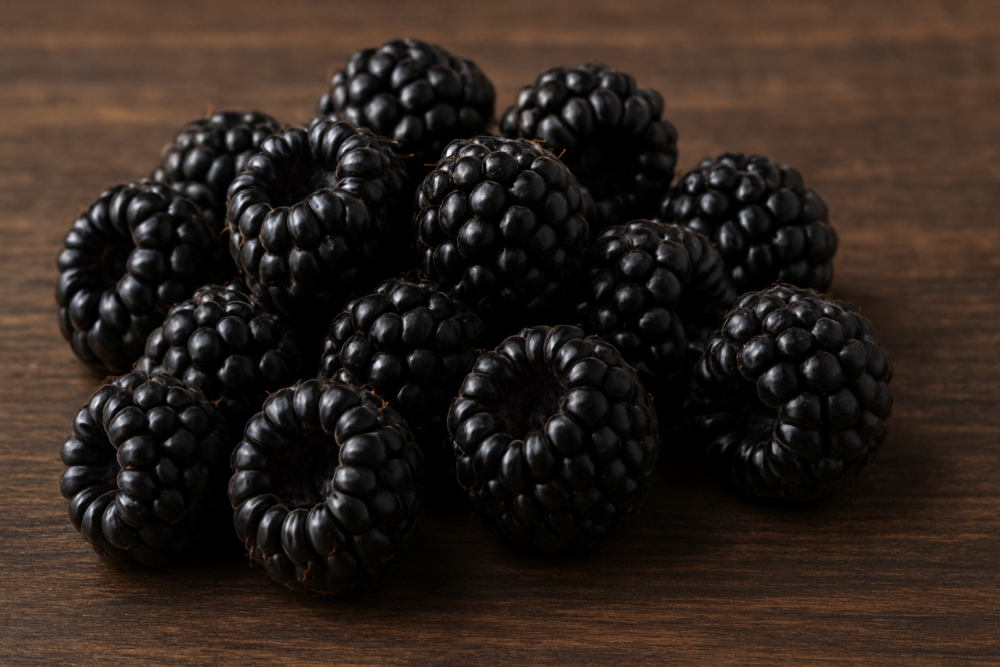
Black raspberries are a bit rare, but they’re amazing. They’re in the raspberry family but have a lot of anthocyanins, like blueberries, plus other good things found in raspberries. So, you get the benefits of both! Berries are great for muscle relaxation and healing, partly because of how they affect calcium and boost glutathione activity. They also reduce inflammation. Just 30 grams of freeze-dried black raspberries reduced an inflammation marker called CRP in just four weeks. I found some from the Pacific Northwest, and they taste great.
Even applying black raspberry gel has been shown to help with pre-cancerous lesions in the mouth. It can stop genes that help cancer cells grow. Black raspberries also contain ellagic acid, which binds to toxins that damage DNA, reducing the risk of mutations that lead to cancer. Anthocyanins also reduce gut inflammation, lowering the risk of colon cancer. I used to feel bad about not brushing my teeth right after eating berries, but now I let the good polyphenols hang around in my mouth to do their work. Just remember to rinse your mouth after eating acidic fruits to protect your tooth enamel.