

➡️3. Garlic: The Pungent Protector

Every garlic clove has selenium, a mineral that helps create new bone tissue and can even help prevent osteoporosis. Plus, when you chop or crush garlic, it releases allicin, the compound that gives garlic its strong smell. Allicin is amazing because it slows down the cells that break down bone and encourages the cells that build new bone. This is especially helpful for women after menopause.
- How to use: Eat one raw garlic clove a day, chopped or crushed. Let it sit for at least 10 minutes after chopping to let the allicin form. You can also roast whole heads of garlic at a low temperature until soft, then spread the paste on whole-grain bread with olive oil. Black garlic, which is fermented, has even more antioxidants.
➡️2. Nuts: Small Bites, Big Benefits

Nuts are tiny but mighty for your bones. Almonds are a good source of calcium and magnesium. Magnesium not only helps you absorb calcium but also helps activate vitamin D, which is another key player for bone health. Walnuts are special because they have alpha-linolenic acid (ALA), a plant-based omega-3 that helps reduce inflammation. They also contain copper, which is important for the collagen fibers that give your bones flexibility.
- Tip: A handful of nuts a day is a good amount. You can toast them or soak them to help your body absorb their calcium and iron better.
➡️1. Soy (Tofu): A Plant-Based Ally

Soy, especially in the form of tofu, has a lot of evidence supporting its role in fighting osteoporosis, particularly for women after menopause. Organic soy contains isoflavones (like genistein and daidzein) that encourage bone formation and stop bone breakdown. Tofu, which is made from coagulated soy milk with calcium salts, is super rich in calcium – 100 grams can give you a third of your daily recommended amount! It’s also a complete protein, providing all the essential amino acids your body needs for building muscles and bones.
- Why it’s great for women after menopause: Tofu’s isoflavones are similar to estrogen, and they’ve been shown to improve bone density when natural estrogen levels drop.
- How to use: Tofu might seem bland on its own, but it’s like a sponge for flavors. You can marinate it, stir-fry it, bake it, or even blend it into smoothies for a creamy texture and a boost of protein and calcium.
🎉Herbal Helpers for Bone Density
Besides food, some herbs can also lend a hand in keeping your bones strong.
👉A. Thyme: More Than Just a Flavor

Thyme isn’t just for cooking; it has compounds like carvacrol and thymol that protect your bones from stress. What’s really cool about thyme is that some of its compounds, like tannic acid and ellagic acid, can actually slow down the cells that break down bone. By doing this, thyme helps keep a good balance between bone breakdown and new bone formation.
- How to use: Use fresh or dried thyme in your cooking. For a tea, steep 1.5 teaspoons of thyme in 240 ml (about 1 cup) of boiling water for 10 minutes.
👉B. Rosemary: Ancient Strength

In ancient Rome, rosemary was a symbol of strength, and it turns out they weren’t wrong! Rosemary has carnosol and rosmarinic acid, which are anti-inflammatory and antioxidant. These can help prevent osteoporosis.
- How to use: To get the most out of rosemary for tea, lightly crush the dried leaves before adding them to hot water (around 85°C or 185°F). This helps release more of the good stuff. Use one tablespoon of fresh leaves per cup of water and steep for 10 minutes.
👉C. Clove: Aromatic Bone Support
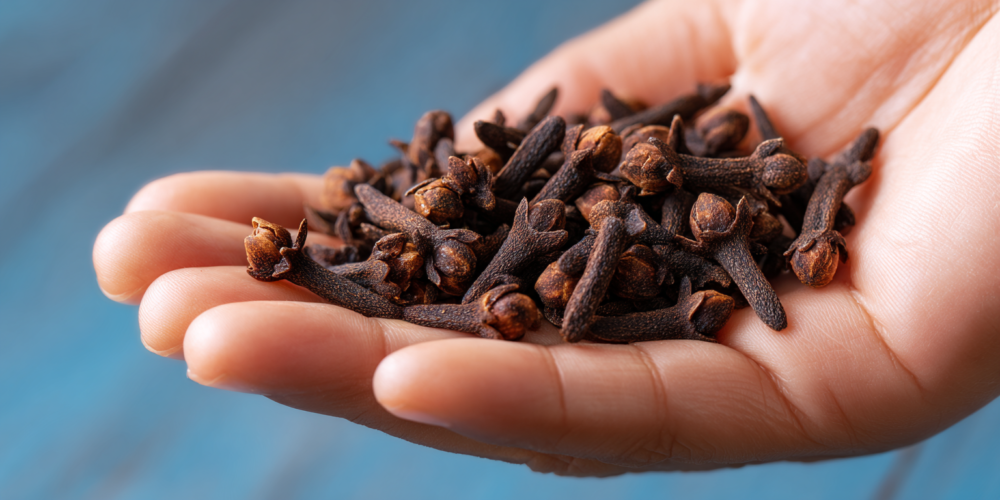
Clove contains eugenol, which helps keep your bone mass healthy. Plus, cloves are rich in manganese, a mineral that’s super important for bone formation. Just 2 grams of cloves can give you more than half of your daily manganese needs!
- How to use: You can chew on a clove for 5 to 10 minutes. This slowly releases its compounds, allowing them to be absorbed through your mouth. Or, you can make a tea by steeping two or three cloves per cup of water.
💪Beyond Food: Essential Habits for Bone Strength

Eating the right foods is a huge part of bone health, but it’s not the whole story. Your daily habits play a massive role too. Without these, even the best foods might not do their job as well.
🚀1. Move Your Body: The Power of Exercise
Not moving enough can lead to bone loss. Your bones need movement to get stronger. Think of exercise as the driver that helps all those good nutrients, like vitamin D, vitamin K2, and magnesium, get calcium to your bones. If you’re a woman over 60, especially if you eat mostly plant-based, strength exercise is probably the best thing you can do for your bone density. Start small, but just start. It makes a huge difference.
🚀2. Embrace the Sun: Nature’s Vitamin D
The sun is a free resource that helps your bones. When sunlight hits your skin, it kick-starts the process of making vitamin D. This vitamin is like the master key that lets all the other bone nutrients do their job. The best time to get sun for vitamin D is in the morning. You get enough UV radiation to make vitamin D without the risks of the stronger midday sun.
🚀3. Watch What You Eat: Foods to Avoid
Just as some foods build bones, others can harm them. Here are some to be mindful of:
- Refined Sugar: Every time you eat sugary treats or drinks, you raise your insulin levels, which can break down the collagen fibers in your bones.
- Carbonated Drinks: Even diet sodas often contain phosphoric acid, which can mess with calcium absorption.
- Excess Salt: For every gram of sodium you get rid of through urine, you lose about 20 to 30 mg of calcium. So, too much salt means you’re literally flushing calcium away.
The good news is you don’t have to ban these completely. The solution is to swap them out. Use spices instead of table salt, mashed dates instead of sugar, and homemade dressings instead of store-bought ones. It’s all about making smarter choices.
Your bones are not just static structures; they’re alive and constantly renewing themselves. Every bite you take, every step you make, and every ray of sun you soak up counts. By focusing on these essential foods and habits, you’re giving your bones the best chance to stay strong and healthy for years to come.
Source: Dr. Iñigo Martín