
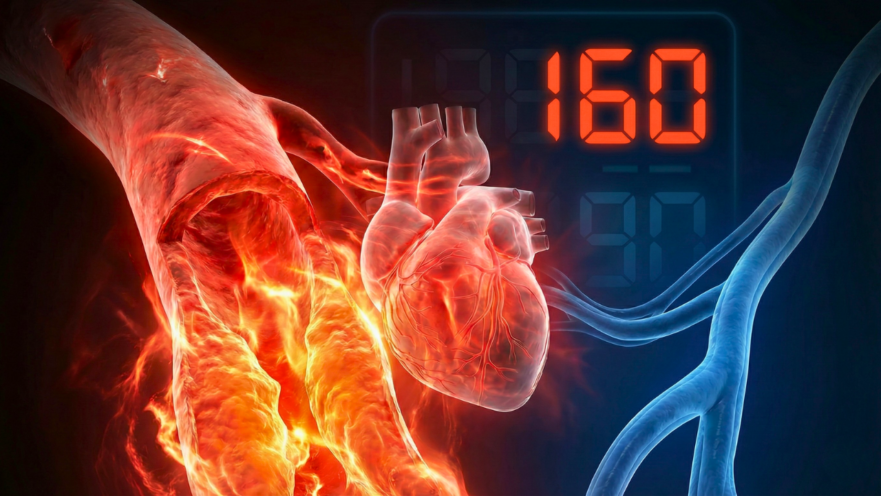

Picture this: You’re at the doctor’s office, the blood pressure cuff wraps around your upper arm, inflates, and the alarmingly tight squeeze steadying you for those familiar numbers—”138 over 76.” Your instant thought: “Is that bad? And if so, which number is the real concern here?” For years, even doctors didn’t have a solid answer. Thankfully, medicine has evolved and now we know a lot more about what these numbers mean for your health—and which one might be that early warning sign you really don’t want to ignore. (Based on the insights of Dr. Mitch Rice)
Key Takeaways
- Both systolic (top number) and diastolic (bottom number) blood pressure are crucial, but they signal different health risks.
- Systolic pressure reflects the force as your heart pumps; diastolic reflects pressure when your heart rests.
- Historically, diastolic was seen as more important, but modern medicine recognizes risks with both—especially systolic.
- Lifestyle changes are as important, if not more, than just relying on medication for controlling blood pressure.
- Understanding your own risks and managing them naturally is vital for long-term heart and blood vessel health.
1. What Exactly Are Systolic and Diastolic Blood Pressure?
Let’s break it down: your blood pressure reading consists of two numbers. The top (systolic) number represents the force when your heart contracts and pumps blood into your arteries—like a sudden burst when you first turn on a faucet. The bottom (diastolic) number is the pressure in your arteries as your heart rests and refills, that steady hum keeping things flowing in the background.
2. The History: Why Did Doctors Care More About Diastolic?
For decades, doctors believed diastolic pressure was the real key. They thought systolic naturally went up as people aged and wasn’t much to worry about unless it skyrocketed. Most treatments were aimed at diastolic readings, with systolic sometimes almost ignored.
3. Modern Medicine Has Flipped the Script
Thanks to extensive research, we now know both numbers matter, but especially the systolic reading. Studies show high systolic pressure, particularly in people over 50, is a major risk factor for heart attacks, strokes, and kidney damage. Bottom line? Don’t write off a high “top” number just because it’s common in older adults.
4. Why Does Systolic Blood Pressure Rise With Age?
As we grow older, our arteries lose elasticity—think of a rubber band that’s stretched and worn. Other factors like diabetes or issues with heart valves also contribute. These changes make it easier for pressure to build up each time your heart beats, elevating your systolic number.
5. High Systolic: The Dangers You Shouldn’t Ignore
Elevated systolic blood pressure is linked to dangerous complications:
- Increased risk of heart attacks and strokes
- Chest pain associated with the heart (angina)
- Permanent kidney damage
All in all, a high systolic number paints a picture of stiff, strained blood vessels—bad news for long-term health.
6. High Diastolic: Not Just a Young Person’s Problem
Younger people or those under 50 are more likely to struggle with high diastolic blood pressure. But don’t dismiss it—chronic high diastolic pressure puts tremendous strain on your aorta, the main artery carrying blood from your heart down through your body. Over time, this weakens the artery wall, leading to dangerous bulges called abdominal aortic aneurysms.
7. What Is an Abdominal Aortic Aneurysm?
Imagine blowing up a balloon. At first it’s tough, but as it fills, the walls thin out—eventually, the balloon can burst. This is what can happen to your aorta if diastolic pressure is left unmanaged. If such an aneurysm ruptures, it can cause fatal internal bleeding. That’s why screening is common among older male smokers.
8. So, Which Is More Important: Systolic or Diastolic?
Here’s the real answer—you need to watch both. Each number signals different risks:
- Systolic: higher risk of heart attacks, strokes, kidney damage.
- Diastolic: greater risk for life-threatening aneurysms and long-term blood vessel damage.
Doctors today pay particular attention to the systolic number, especially for people trying to lower their blood pressure. But don’t ignore either!
9. The Limitations of Blood Pressure Medications
Even if your medication brings your numbers down, that doesn’t erase the risk entirely. For example, a 30-year-old with high blood pressure carries a 63% lifetime chance of developing coronary artery disease versus 46% for someone with normal blood pressure. The message? Medications help, but they’re not a cure-all. You need to be your own health advocate and pursue long-term, natural changes.
10. Real Life Changes That Lower Blood Pressure Naturally
Medications aren’t the final solution. To truly protect your heart and arteries, focus on the following:
- Eat potassium-rich foods: Avocados, fatty fish, and leafy greens help keep vessels healthy.
- Exercise regularly: Movement keeps arteries flexible.
- Minimize stress: Chronic stress raises blood pressure—find ways to unwind daily.
- Prioritize sleep: Target 7–9 hours each night; poor sleep alone can raise your numbers even if your diet and exercise are on point.
Conclusion
Understanding what those blood pressure numbers really mean gives you the power to take charge of your heart health. Both systolic and diastolic pressures send out vital warning signals. Making smart lifestyle choices—alongside medication if needed—not only helps you achieve better numbers but also minimizes the overall risk of long-term health problems. Even small changes can make a real difference, so start today and stick with it for the sake of that most important muscle: your heart.
Source: Dr. Mitch Rice