


Are you tired, cranky, or battling muscle cramps—without really knowing why? If so, you’re not alone. Magnesium just might be the most critical mineral you’re missing, and chances are you don’t even realize it. Let’s unlock the secrets behind why everyone is talking about magnesium and discover how you can reclaim your health.
Magnesium is having a moment, and for good reason! This underappreciated mineral powers over 300 processes in your body—from steady energy to restful sleep, to a healthy heart and even a balanced mood. But here’s the kicker: most people are running on empty when it comes to magnesium, thanks to depleted soils, processed diets, and everyday stress. Ready to find out what this means for you, and how to fix it? Let’s dive in! (Based on the insights of Dr. Steven Gundry)
Key Takeaways:
- Magnesium is critical for energy, heart health, brain function, and smooth digestion
- Soil depletion and food processing mean most people aren’t getting enough
- Choosing the right magnesium supplement is individual—there’s no one-size-fits-all
- Certain foods can help, but supplementation is often necessary
- Sensitive to supplements? Try topical magnesium like Epsom salts or sprays
1. Magnesium: The Mighty Mineral Behind 300+ Body Processes
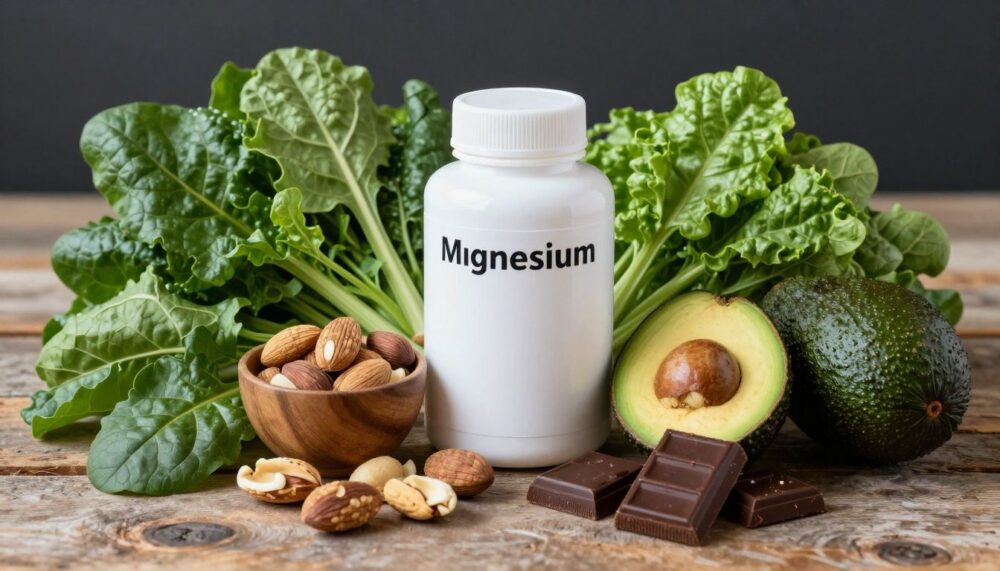
Magnesium isn’t just another blip on the nutrition chart—it’s involved in everything from making energy (ATP) to keeping your nerves and muscles working properly, supporting your bones, and regulating your heartbeat. If you’ve ever experienced muscle cramps or an irregular ticker, magnesium might be the missing piece.
2. Why Most People Are Deficient—and Don’t Know It
You might eat a healthy diet, but here’s something wild: our soil has been losing minerals for decades. Even a document from the US Senate back in 1936 warned that our soils were so depleted that getting enough nutrients from food alone would mean eating all day nonstop! Fast-forward nearly 90 years, and things have only gotten worse. Most of the vegetables on your plate have a fraction of the magnesium content they did a century ago.
3. Stress, Processed Foods, and the Modern Diet
Modern life is a magnesium thief. Stress and processed foods Team up to leave you even more depleted. Think about it: if you’re stressed (and who isn’t?) your body actually burns through magnesium faster. Then, processed foods replace what few minerals remain in our diet. Swiss chard in an energy bar? Not likely!
4. Symptoms of Magnesium Deficiency—Could This Be You?
Feeling wiped out, cramping at night, struggling to sleep, or anxious for no clear reason? All these could point back to low magnesium. On top of that, it’s crucial for “peristalsis”—basically, getting food moving smoothly through your gut. Chronic constipation or issues like SIBO (Small Intestinal Bacterial Overgrowth) are often tied to sluggish digestive movement, and magnesium can help solve the puzzle.
5. The Soil Microbiome Connection (It’s Not Just What’s In the Soil)
Here’s a fun fact: It’s not just about what minerals are in the soil, but also the tiny soil microbes that help plants absorb those minerals. Industrial farming has wiped out beneficial bacteria and fungi, making even mineral-rich soil nearly useless for plants—and for us. That’s why magnesium (and other nutrients) are scarcer in our modern food supply than ever before.
6. Choosing Your Magnesium: A Guide to the Different Types
Not all magnesium is created equal. Here’s a quick walkthrough of popular forms:
- Magnesium Citrate: Often used for constipation. Works, but can tip the balance into loose stools easily.
- Magnesium Glycinate: Fantastic for stress, relaxation, and sleep—great choice for bedtime. Plus, glycine (the other half of the compound) helps promote better sleep.
- Magnesium Malate: Tends to support energy and muscle recovery better than others. Great for those needing to boost vitality.
- Magnesium L-Threonate: The only type proven to cross into the brain and help with memory and cognition. It’s pricier, and not so helpful for upping your blood magnesium levels.
- Magnesium Oxide: Cheap and commonly found in antacids, but poorly absorbed. Not the top pick for supplementation.
- Potassium Magnesium Aspartate: A standout favorite! Many people are short on both potassium and magnesium, which support muscles, nerves, and heart rhythm—ideal for those struggling with cramps or irregular heartbeat.
- Magnesium Chloride: Well-absorbed but can cause stomach upset for some.
7. How Much Magnesium Do You Need? It’s Personal
Everyone’s different here. Most people do well starting with about 400 mg of magnesium at night, but sensitivities vary. Some folks need up to 1,600 mg, while others feel “off” with just 250 mg. The right dose is the one that gives you better sleep, mood, and muscle function without causing stomach issues or loose stools. Feel free to experiment!
8. The Best Foods High in Magnesium (and a Few to Skip)
Classic sources include leafy greens (spinach, Swiss chard, arugula), avocados, and certain nuts and seeds (hemp, walnuts, pistachios). Don’t forget dark chocolate (over 72% cacao)—yes, really! Also, cruciferous veggies like broccoli and okra are solid choices. But here’s a twist: Kicking back with olives can sneak in extra magnesium, too.
Steer away from sunflower and pumpkin seeds—despite being rich in magnesium, they’re loaded with lectins, which can be irritating for many people.
9. Why Food Isn’t Enough: The Soil Depletion Dilemma
It’s great to load up on magnesium-rich foods, but studies show our crops simply don’t deliver what they used to. Most people—no matter how healthy their diet—should consider a magnesium supplement (especially if you fall into any of the deficiency categories above).
10. Topical Magnesium: The Secret Weapon for Sensitive Stomachs
Do magnesium supplements bother your gut? You’re not out of luck! Epsom salt baths (magnesium sulfate) or magnesium “oil” sprays let you absorb magnesium through your skin—no digestive side effects. Many people, especially women, find these methods life-changing, offering real relief from cramps and stress without the unwanted trips to the bathroom.
Conclusion
You don’t have to settle for poor sleep, aching muscles, low energy, or mood swings—all signs pointing back to this humble mineral. Getting enough magnesium may take a bit of detective work and personal tweaking, but the payoff can be huge for your overall health. Whether through diet, the right supplement, or a soothing bath, magnesium might just be the simple solution you’ve been missing all along.
Source: Dr. Steven Gundry