
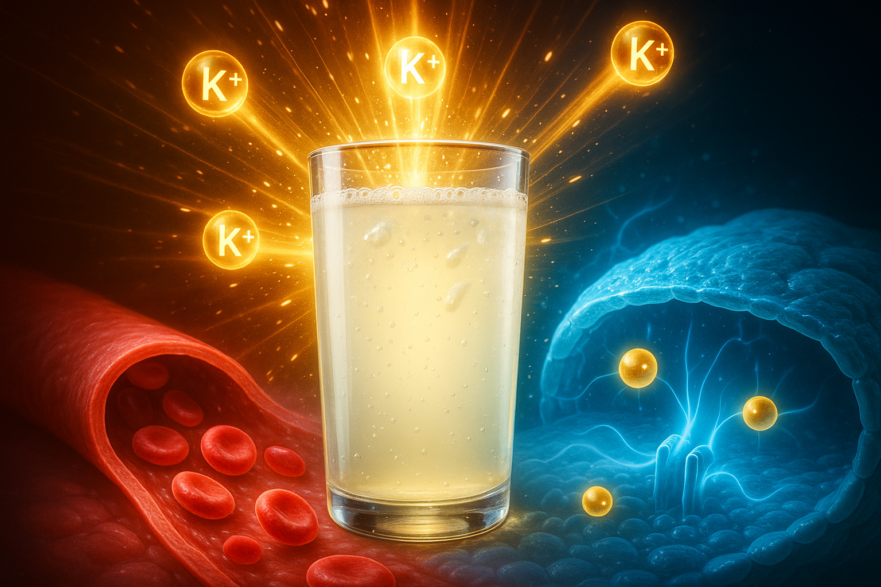

Think you’re eating a healthy diet just because you focus on protein, carbs, and fats? What if I told you that a silent mineral could be the reason for your lingering fatigue or pesky muscle issues? Most people overlook potassium, yet it’s crucial for your health—and chances are, you’re not getting enough.
Key Takeaways
- Potassium is an essential mineral often neglected in modern diets.
- Most adults do not meet the daily recommended intake of potassium.
- Coconut water is a powerful, natural way to boost potassium, especially if you’re not excited about eating loads of cooked vegetables.
- Aim for 1 to 2 cups of unsweetened coconut water per day for a healthy boost.
- Always check labels to avoid added sugars and flavorings in coconut water.
Let’s break down why potassium matters, how common deficiency really is, and easy, practical ways—like coconut water!—to boost your intake.
1. Potassium: The Frequently Overlooked Mineral
When you think about healthy eating, potassium probably isn’t the first thing that comes to mind. We hear a lot about protein, healthy fats, and maybe magnesium or vitamin D. But potassium? Most shrug it off, assuming only people with high blood pressure need to worry about it.
In reality, potassium plays a starring role in keeping you energized, your muscles working properly, and even balancing the fluids in your body. Low potassium has been linked to chronic fatigue, muscle cramps, weakness, and even irregular heartbeats. If you’ve ever felt oddly tired for no apparent reason, potassium could be a piece of the puzzle!
2. Why Most People Are Deficient (And Why It’s a Big Deal)
Here’s a fact that might shock you: less than 2% of American adults get the recommended daily intake of potassium (about 4,700 mg for the average adult). That means most of us are way off the mark!
The main reason? Our diets have shifted towards processed foods, which tend to be sorely lacking in potassium. We simply aren’t eating enough potassium-rich foods—think vegetables like spinach, Swiss chard, and beets. The effects? Persistent tiredness, muscle twitches, and a general sense of feeling run down.
3. Why Cooked Vegetables Top the Potassium Chart
If you’re motivated to up your potassium, vegetables are your best friend—especially cooked ones! Cooking helps soften vegetables, which makes more potassium available for your body to absorb. Some of the best options include:
- Spinach
- Swiss chard
- Beets
- Broccoli
But let’s be honest: prepping and cooking vegetables every single day can be a challenge, especially if you’re pressed for time, aren’t fond of the taste, or just want an easier option.
4. Coconut Water: The Effortless Potassium Boost

Enter coconut water! If you aren’t jazzed about loading up on veggies (or you just want a break from all that chopping and steaming), coconut water is your next best bet.
A 100 ml serving of coconut water contains up to 250 mg of potassium—which means a standard 240 ml cup can rack up 600 mg. That’s more than you’ll find in a banana (about 350 mg), and roughly the same as a cup of spinach.
Coconut water is especially handy if you sweat a lot—from workouts, sauna sessions, or simply hot weather—because potassium is a major electrolyte lost through perspiration. It’s a tasty and refreshing way to replenish it.
5. Watch Out for Added Sugars in Coconut Water
Before you go and stock up on every bottle of coconut water at the market, there’s a catch: sugar. Some brands indulge in adding extra sugar or flavorings, ramping up the calorie and sugar content unexpectedly. Even in its pure form, coconut water contains 2.5 to 5 grams of naturally occurring sugar per 100 ml.
While that’s not exorbitant, if you chug down several cups a day, it can start to add up. Always inspect labels and go for the unsweetened types—the only ingredient should be pure coconut water.
6. Clever Ways to Keep Coconut Water Healthy (and Affordable)
If you love coconut water but want to keep sugar and costs in check, try this trick: dilute it. Mix half coconut water, half plain water. You still get that mild, nutty flavor and a healthy hit of potassium, but with less sugar per serving. Bonus: your supply lasts longer, saving you some cash, especially in places where coconut water isn’t cheap.
7. How Much Coconut Water is Enough?
For most people, 1 to 2 cups (250–500 ml) of coconut water per day is plenty. That’s a straight shot of 600 to 1,200 mg of potassium—an easy boost to your daily intake. Combine this with some vegetables and, perhaps, a banana or two, and you’re well on your way to meeting (or exceeding!) your potassium needs.
8. The Adrenal Cocktail: A Potassium-Rich Morning Ritual
Want a creative way to use coconut water? Many health enthusiasts use it as part of an “adrenal cocktail”—a drink that also includes sodium and vitamin C. This blend helps tackle fatigue and is so energizing that some even use it as a coffee substitute in the morning! (Don’t worry, we’ll save the exact recipe for another article, but keep this tip in your back pocket if you’re looking for a caffeine-free energy boost!)
9. Don’t Rely on Only One Source
As with everything in nutrition, balance and variety are key. While coconut water is wonderful, don’t neglect potassium-packed veggies and fruits. Rotate your sources to enjoy the full spectrum of nutrients each food brings.
Conclusion: Give Your Body the Potassium Advantage!
Potassium is a quiet hero in your health story—a mineral most people overlook, but one that can make a huge difference in how you feel every day. Try embracing coconut water as a simple, natural supplement to your regular diet. Just keep an eye on those labels, watch the sugar, and remember: the path to vibrant health is all about giving your body the right balance of what it needs!
Ready to boost your energy and feel your best? Start paying attention to your potassium intake today—it could be the missing ingredient to a healthier, more energetic you!
Source: Felix Harder