
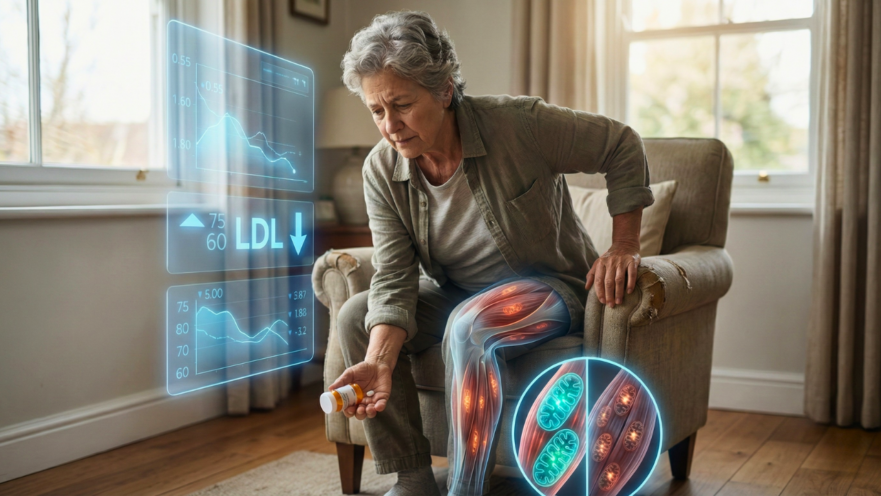

Are you or a loved one taking statins? You’re not alone—around 40 million Americans pop these cholesterol-lowering pills every day. But here’s the question no one seems to answer directly: Are statins truly lifesavers, or have they been oversold as a miracle while the real causes of heart disease have been ignored? Let’s pull back the curtain on the statin story, break down the research, and help you make better-informed decisions about your heart health. (Based on the insights of Dr. Suneel Dhand, Dr. Peter Chiotellis, and Dr. Benjamin Levin)
Key Takeaways
- Statins lower LDL cholesterol but may not drastically reduce your risk unless you’ve had a prior heart event.
- The idea that cholesterol is the main villain behind heart disease has a complex and questionable history.
- The pharmaceutical and food industries have heavily influenced our understanding of heart health.
- Many are prescribed statins when lifestyle changes could possibly provide greater benefit.
- Side effects of statins—like muscle pain and liver issues—are more common than most people realize.
- Always have conversations with your healthcare provider, and don’t be afraid to ask questions.
1. The Cholesterol Hypothesis: Villain or Victim?
You’ve probably been told over and over that high LDL cholesterol is bad—end of story. But it’s not so simple. Cholesterol forms the backbone of every cell, and a whopping 60% of your brain is made up of fats! Decades ago, some researchers argued sugar could be the real culprit behind rising heart disease rates. But powerful sugar industry interests funded studies to paint fat and cholesterol as the enemies, shifting the blame away from sugar. This paved the way for statins, drugs designed to bring LDL down.
2. Statins — How Did They Become So Popular?
Statins first hit the market after the idea of LDL causing heart attacks took center stage. Pharmaceutical companies and healthcare providers focused on lowering this number with drugs, leading to the largest and most lucrative medication markets in history—tens of billions in profits yearly! The narrative became, “Lower LDL, lower your risk.” But looking back, was this single-minded focus justified?
3. Primary vs. Secondary Prevention: What’s the Real Benefit?
Statins are handed out for two main reasons:
- Primary prevention: stopping a first heart attack or stroke before it happens.
- Secondary prevention: preventing a repeat heart attack or stroke in someone who’s already had one.
Here’s the reality: About 1 in 200 people taking statins for primary prevention benefits (yes, really). For secondary prevention, that number is only slightly better—about 1 in 50. Imagine lining up 200 people, giving each a daily pill for years, and only one person avoids an event. Not the odds you’d hope for, right?
4. Treating Numbers vs. Treating Patients
Many doctors focus on fixing numbers, especially LDL. But what does lowering your LDL actually mean for your long-term health or quality of life? Studies show that for many people—especially those who haven’t suffered a heart attack—the effect of statins on life expectancy is minimal. In fact, the best-case scenario often boils down to adding a couple of weeks or months over decades of use.
5. Are There Risks? Statin Side Effects You Should Know
Statins aren’t free from side effects. Muscle aches, weakness, and liver function issues can affect up to 10% of patients. That’s huge when you consider how many people are prescribed statins. Some side effects are tied to statins lowering coenzyme Q10, a critical molecule your body needs for energy. Many people on statins are never even told about CoQ10 or ways to offset these issues.
6. The Sugar and Carb Connection: Have We Missed the Real Cause?
For decades, fat (and by extension, cholesterol) was the bogeyman. Yet, mounting evidence links processed sugars and excess carbs to inflammation, insulin resistance, and ultimately heart disease. Heart attacks are as much about inflammation and insulin resistance as they are about clogged arteries. Statins target a symptom—not the root cause.
7. The False Sense of Security: Lifestyle Still Matters Most
It’s easy to take a pill and assume you’re invincible. But popping statins doesn’t mean you can eat junk food or ignore exercise. Key lifestyle changes—cutting sugar, eating more whole foods, moving your body—have proven benefits, sometimes reducing your risk by up to 50%. Statins alone? Not even close.
8. Industry Influence: Why Are Statins So Widely Prescribed?
From the 1960s on, conflicts of interest shaped what we learned about heart health. The sugar industry buried research implicating sugar, while pharmaceutical giants pushed statins as the answer. Today, entire nations have populations on statins, yet the countries that use them less often aren’t sicker—in some cases, they’re healthier.
9. Quality of Life vs. Longevity: What Really Matters?
Many older adults report statin side effects that reduce quality of life—especially muscle pain that stops them from exercising and enjoying activity. If a drug adds a few months to your life but makes daily life harder, is that a fair tradeoff? Always weigh your own well-being and talk to your doctor about your personal risk.
10. The Bottom Line: What Should YOU Do?
- Ask questions: Don’t accept a prescription blindly—ask your doctor about your true risk and the possible benefit for you, especially if you haven’t had a heart event.
- Live healthier: Focus on food quality, reduce sugars, exercise, and address the root causes of inflammation.
- Monitor side effects: If you’re already on statins, report any muscle aches or fatigue and ask about CoQ10 supplementation.
- Get second opinions: Don’t hesitate to seek another doctor’s perspective, particularly if you’re being started on statins for primary prevention.
Conclusion: Miracle Drug or Con of the Century?
Statins are not a miracle drug. For people who have already had major heart events, they may provide some protection, but the benefits are modest—certainly no magic bullet. For most others, statins might offer a false sense of security and come with risks many people don’t fully appreciate. Your best defense against heart disease isn’t just a pill; it’s a lifestyle. Stay informed, ask questions, and don’t be afraid to challenge the status quo—your health depends on it!
Source: Dr. Suneel Dhand, Dr. Peter Chiotellis, Dr. Benjamin Levin