
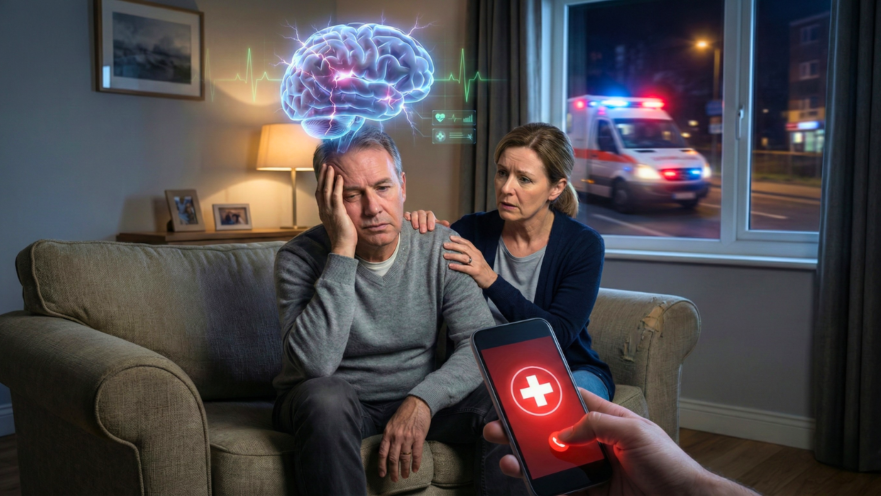
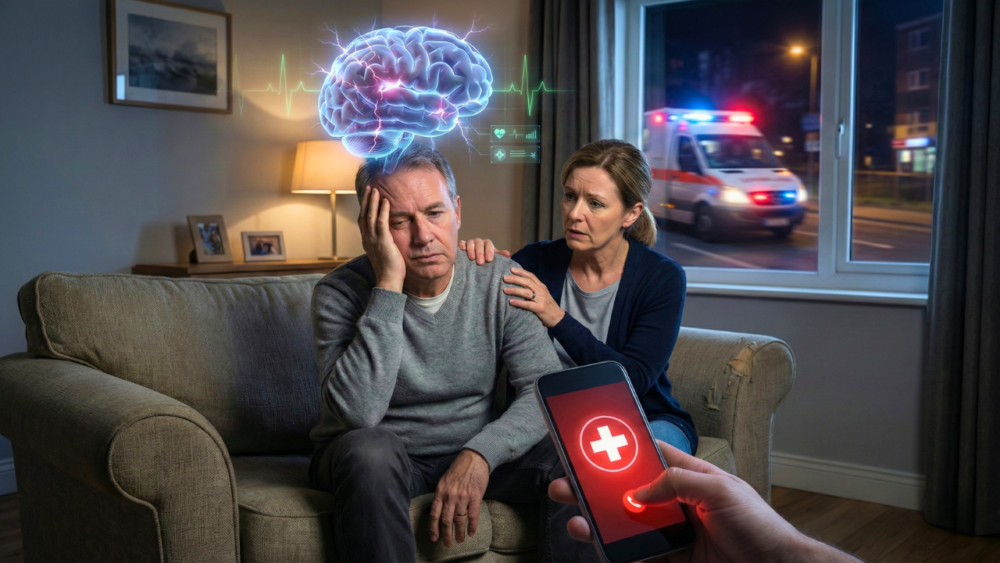
Did you know you only have about four hours to take action that can potentially reverse or halt the effects of a stroke? Time is truly brain: every minute that goes by during a stroke, nearly 2 million neurons die. Once gone, those brain cells can’t be replaced. That’s why knowing exactly what to do when stroke symptoms appear is absolutely life-saving.
In this article, I’ll break down the essential steps you must take within the critical 4-hour “golden window” to give yourself, or someone you love, the very best chance of recovery. Let’s get empowered, remember the life-saving signs, and debunk some dangerous myths you might have heard. (Based on the insights of Dr. André Wambier)
Key Takeaways:
- Acting quickly at the first sign of a stroke can mean the difference between full recovery and lifelong disability.
- The first four hours following the onset of symptoms are the “golden window” for treatment.
- Recognizing the warning signs using the simple acronym “FAST” is crucial!
- There are specific things you must do—and must NOT do—if you suspect a stroke.
- Prevention is possible through simple lifestyle changes.
1. Understand What a Stroke Really Is
A stroke, or cerebrovascular accident (CVA), is essentially an attack on your brain. It happens either because blood flow is blocked by a clot (ischemic stroke) or because a blood vessel ruptures and bleeds into the brain (hemorrhagic stroke). Most strokes (about 80%) are due to a blockage—a tiny clot travels through the bloodstream and cuts off essential oxygen to the brain. The clock starts ticking the moment symptoms appear!
2. Every Minute Counts: The Golden Window
You have roughly four hours—sometimes up to four and a half—where doctors can perform near-miracles. Medications called thrombolytics can dissolve clots and restore blood flow, but only if given within this window. After that, the risk for dangerous bleeding from these drugs goes up and your chances for a full recovery shrink dramatically. That’s why your quick action at home is key.
3. Learn the Warning Signs with “FAST”
You don’t need to be a doctor to recognize stroke symptoms. Just remember the word “FAST” (act quickly!) which stands for key symptoms to look out for:
F: Face – Ask the person to smile. If one side of the face droops or looks uneven, this is a red flag.
A: Arms – Ask them to raise both arms. If one arm drifts down or they feel numb or weak suddenly on one side of the body, this is a strong indicator.
S: Speech – If they suddenly slur words, talk nonsense, or can’t answer simple questions, take action immediately.
T: Time – Every second counts. Call 911 immediately if you notice any of these signs.
Bonus: Eyes – Sudden loss of vision in one eye, seeing double, or eyes pointing in different directions are all warning signs too.
If you see any of these signs, don’t wait! Even if symptoms get better after a few minutes (which can happen), a “mini-stroke” or TIA (transient ischemic attack) is just as urgent. It’s often a warning that a bigger stroke could be on the way.
4. What To Do If You Suspect a Stroke
Call Emergency Services Immediately. Do NOT wait to “see what happens” or try to drive the person yourself—unless there is absolutely no other option. Paramedics can alert the hospital to prepare the right team and equipment, shaving precious minutes off the process. If possible, note the exact time symptoms started. Hospitals need this for treatment decisions.
5. What NOT To Do During a Stroke Emergency
There are a few well-meaning but DANGEROUS myths that can cost lives:
- Don’t give food or drink. Many stroke victims can’t swallow properly and this can lead to choking or pneumonia.
- Don’t try to lower their blood pressure suddenly. It’s normal for blood pressure to rise during a stroke; lowering it abruptly can reduce vital blood flow to the brain.
- Don’t prick fingers or toes. This folk remedy has zero scientific support and wastes valuable time.
6. Hospital Magic: How Doctors Reverse Strokes
When you arrive at a properly equipped hospital (preferably one with a stroke unit and 24/7 CT scanner), doctors will quickly perform brain imaging. If it’s an ischemic stroke (blockage), powerful clot-busting drugs (thrombolytics) may be given—but only if you’re within the time window and it’s safe. There are also cases where a specialist can physically remove the clot using a tiny catheter—a procedure called mechanical thrombectomy, which can be done even slightly outside the original four hours for some patients. In both cases, TIME TO HOSPITAL is what matters most.
7. Choose the Right Hospital When Possible
If you live in a city or near multiple hospitals, try to go to one with a specialized stroke unit. These have CT scanners, neurologists, and all the resources ready for the best outcomes. Walk-in clinics or small facilities may not be prepared and could delay your treatment.
8. Stroke Prevention: Four Habits to Save Your Brain
Great news—up to 80% of strokes are preventable! Here’s what you can do starting today:
- Control High Blood Pressure. Hypertension is the biggest risk factor. Regularly monitor your blood pressure. Keep it below 140/90 and talk to your doctor if it’s consistently higher.
- Check for Heart Rhythm Problems. If you’re over 65 or have experienced “irregular” heartbeats, get checked for atrial fibrillation—a major cause of clots.
- Lower Cholesterol and Blood Sugar. Eat less processed food, sugar, and refined carbs. Stay at a healthy weight to avoid diabetes and obesity, both of which raise stroke risk.
- Keep Moving! Just 40-45 minutes of moderate exercise daily—cardio plus resistance training—can make a world of difference. Remember: You’re never too old to start. Consistency is more powerful than perfection.
9. Busting Myths and Fears about Strokes
A stroke is scary, but the worst thing you can do is freeze in fear. Knowledge is power—and action saves brains and lives. Make “FAST” your mantra. It’s better to have a false alarm than to miss the signs and risk disability or worse.
Conclusion
A stroke can strike anyone at any time, but knowing what to look for and acting FAST can make all the difference. Memorize the symptoms, set up healthy habits, and teach your family what to do. If you ever witness those telltale signs—don’t wait! Make that call, save a life, and remember: better safe than sorry.
Source: Dr. André Wambier